

12V Oil Extractor Pump Review 2026: Fast gear-oil transfer for messy service jobs

The 12V Oil Extractor Pump review is straightforward: this is a utility pump built for transferring oil and other fluids, not a universal dipstick extractor.
If you need a compact 12V solution for service jobs on cars, mowers, boats, or similar equipment, it is a focused tool with clear limits.
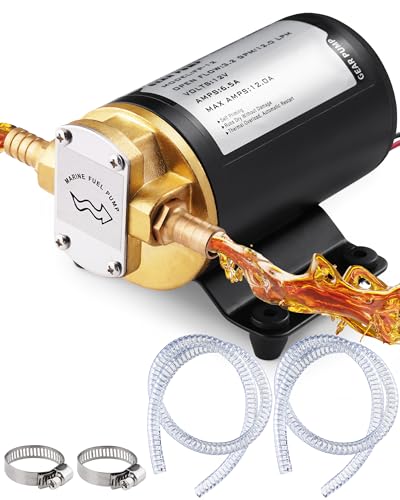
12V Oil Extractor Pump Review Summary
This 12V Oil Extractor Pump is best for buyers who want one pump to handle a range of maintenance fluids without turning oil changes into a wrestling match.
The listing positions it as a self-priming gear pump for motor oil, gear oil, transmission fluid, waste oil, lubricants, diesel fuel, and kerosene, which makes it appealing for owners who service more than one type of machine and want a single pump for transfer work.
It is a practical fit for garage, shop, marine, and small-engine use.
What stands out most is the combination of 3.2 GPM flow, all-copper construction, and thermal protection.
Those are not flashy features, but they are exactly the kind of details that matter in a pump meant to move thick fluids safely and repeatedly.
The biggest caveat is also important: the listing says it is not for extracting oil through the dipstick tube, so buyers looking for a classic extractor for top-side oil changes should not assume this will do that job.
Review Scorecard
| Category | Score | Buyer-focused rationale |
|---|---|---|
| Fluid transfer versatility | 9/10 | Handles motor oil, gear oil, transmission fluid, waste oil, diesel fuel, and kerosene per listing. |
| Flow and output | 8/10 | 3.2 GPM and 43.5 PSI max pressure suggest solid transfer capability for maintenance tasks. |
| Build and durability | 8/10 | All-copper motor, impeller, and pump head point to a sturdier design than basic budget pumps. |
| Safety and control | 8/10 | Built-in thermal protection is a useful safeguard for extended use. |
| Thick-fluid handling | 8/10 | Listing specifically says it handles thick oils like 80W-90. |
| Convenience | 7/10 | Helpful for service ports and drain pans, but not a dipstick-tube extractor. |
| Best-fit clarity | 9/10 | Strong for owners who know they need a transfer pump rather than a general-purpose extractor. |
Key Features and Specifications of 12V Oil Extractor Pump
This pump is a 12V DC self-priming gear pump with a stated 78W standard power and 120W max load.
The listing gives a 3.2 GPM flow rate, 0.3 MPa / 43.5 PSI max pressure, and a 120-minute work cycle, which together paint a picture of a compact but capable transfer tool rather than a tiny hobby pump.
The material callout is also useful.
The listing says the motor, impeller, and pump head are all copper, which should matter to buyers who care about heat, wear, and longevity.
The stated thermal protection adds another layer of protection when the pump is used for longer sessions or with thicker fluids.
Key listed uses include:
- Engine oil transfer
- Gear oil transfer
- Transmission fluid transfer
- Waste oil transfer
- Lubricant transfer
- Diesel fuel transfer
- Kerosene transfer
The product is described as suitable for cars, motorcycles, lawn mowers, and marine engines.
The real takeaway is that this is a maintenance pump for fluid movement, not a universal repair accessory.
If your job is to empty a tank, drain pan, or service compartment, the feature set lines up well.
Pros and Cons of 12V Oil Extractor Pump
Pros
- Broad fluid support makes it more useful than a single-purpose oil pump.
- 3.2 GPM flow is a strong practical spec for transfer work.
- All-copper construction is a positive sign for durability and heat handling.
- Thermal protection is a meaningful safety feature.
- Works with thick oil according to the listing, including 80W-90.
- Useful for hard-to-reach service areas when draining from ports or pans.
Cons
- Not meant for dipstick-tube extraction, which rules out a common buyer use case.
- The listing is focused on transfer use, so buyers wanting a full oil-change kit may need extra accessories.
- No dimensions, hose details, or included accessory list were provided in the evidence, so the complete setup is less clear than the core pump specs.
Who Should Buy 12V Oil Extractor Pump?
Buyers who should consider it are people who regularly move fluids between containers, drain pans, and equipment reservoirs.
That includes owners of lawn equipment, small boats, outboard engines, motorcycles, and vehicles where oil or gear oil needs to be transferred cleanly.
If you want a pump that can handle thick fluids and you understand it is a transfer tool, this is a sensible buy.
It also makes sense for hobbyists and DIY maintainers who prefer a powered pump over manual siphoning or awkward pouring.
The 12V format points to mobile use, so it is easier to imagine this in a garage, trailer, dockside setup, or field-service kit than on a permanent bench.
Who should skip it:
- Buyers looking for a dipstick oil extractor
- Anyone who needs a documented hose/accessory bundle and does not want to add parts later
- Users who only change one simple fluid type and do not need the broader transfer versatility
How It Performs for Oil Transfer Jobs
Motor Oil and Gear Oil
The strongest fit here is straightforward oil transfer.
The listing explicitly names motor oil and gear oil, and the pump’s all-copper construction plus 3.2 GPM flow suggest it was designed with viscous service fluids in mind.
That makes it a practical choice for routine maintenance where consistency matters more than fancy controls.
Thick Fluids and High-Load Use
The claim that it handles 80W-90 without issue is meaningful because thick gear oils are where weaker pumps often struggle.
The thermal protection is another useful sign, especially if the pump runs through longer service sessions.
For buyers worried about heat and load, this is one of the more reassuring parts of the listing.
Marine and Small-Engine Service
The listing’s mention of cars, motorcycles, lawn mowers, and marine engines broadens the case for ownership.
That matters because the same household or workshop often maintains several kinds of machines, and a pump that covers multiple use cases can be more practical than a specialized tool that only solves one problem.
Clean Drain and Transfer Work
The best argument for this product is not speed alone; it is reducing mess.
The listing emphasizes extracting oil through a service or fill port and avoiding tight engine bays, drain bolts, and bilge mess.
That makes it useful when clean handling is more important than brute-force draining.
Alternatives to 12V Oil Extractor Pump
If you want a comparable Amazon option, consider a Mityvac fluid extractor for smaller maintenance tasks where manual extraction makes more sense: Mityvac oil extractor
For a more established powered-transfer route, look at SEAFLO oil transfer pumps or similar marine-grade transfer pumps: SEAFLO oil transfer pump
If you need a broader workshop tool with a known utility brand, compare against Deway or Westward-style fluid transfer pumps sold for shop use: Westward fluid transfer pump
If your real need is top-side extraction rather than transfer, a manual or vacuum-style oil extractor is the better category to search: vacuum oil extractor
Is 12V Oil Extractor Pump Worth It?
Yes, if you need a 12V transfer pump for oil and other service fluids and you are not expecting dipstick extraction. The combination of 3.2 GPM flow, all-copper construction, and thermal protection makes it a sensible, task-specific tool for garages, boats, lawn equipment, and mixed maintenance work.
No, if you wanted a classic oil extractor for pulling fluid through the dipstick tube. The listing explicitly says this is not for that use, and that limitation is decisive.
For the right buyer, though, the 12V Oil Extractor Pump looks like a practical, durable transfer solution rather than a gimmick.
