

500lbs Universal Roof Ladder Rack Review 2026: Heavy-Duty Fit for Vans and Pickup Caps

If you need a drill-in roof rack for a van, pickup cap, or similar work vehicle, the 500lbs Universal Roof Ladder Rack is aimed squarely at that job.
It is not a lifestyle accessory; it is a utility-first rack built around fit range, corrosion resistance, and tie-down utility.
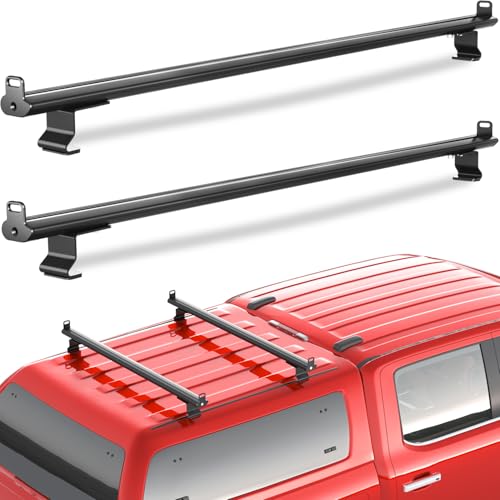
Universal Roof Ladder Rack Review Summary
The 500lbs Universal Roof Ladder Rack makes sense for buyers who want a straightforward aluminum crossbar system for hauling ladders, tools, and jobsite cargo on a compatible roof, truck topper, or van cap.
Its strongest selling points are the reinforced aluminum construction, the adjustable span, and the inclusion of tie-down-friendly details that make it more useful than a bare-bones bar set.
This is a better fit for practical work setups than for casual owners who want a no-drill, weekend-friendly solution.
If you already know your vehicle can accept a drilled installation and you want a durable load carrier, this rack is a credible option. If you want a universal rack in the loose marketing sense, the compatibility caveat matters a lot more than the “universal” label suggests.
Review Scorecard
| Category | Score | Editorial rationale |
|---|---|---|
| Build quality | 8/10 | Reinforced aluminum and anodized finish point to durability and corrosion resistance. |
| Vehicle fit flexibility | 7/10 | Adjustable from 23 inches to 57.48 inches, but only for compatible flat surfaces and drilled installs. |
| Load-management utility | 8/10 | Eye hook locations and dual T-nut channels make tie-downs and accessory mounting more practical. |
| Installation practicality | 6/10 | Clear labels and included hardware help, but drilling raises the skill and commitment level. |
| Work-truck suitability | 9/10 | The design is clearly oriented toward vans, caps, pickup beds, and trailer-style utility use. |
| Everyday convenience | 5/10 | This is functional equipment, not a quick on/off rack for occasional errands. |
Key Features and Specifications of 500lbs Universal Roof Ladder Rack
The listing describes a pair of crossbars with four end support rods, stainless steel screws, an Allen wrench, spare parts, and an instruction manual.
That is a sensible kit for a rack that depends on a more permanent installation.
The product is built from reinforced aluminum with an anodized finish, which is the right direction for a rack that may spend a lot of time exposed to weather and worksite grime.
The most useful spec is the adjustment range.
The rack can reportedly extend to a maximum of 57.48 inches, or about 146 cm, and contract to 23 inches, or about 58 cm.
That matters because it gives the rack a real chance of fitting different roof widths and topper layouts without turning the installation into a custom fabrication project.
Key stated details:
- Material: high-strength reinforced aluminum
- Finish: anodized for corrosion and rust resistance
- Installation: drilling required
- Adjustment range: 23 inches to 57.48 inches
- Use cases: truck roofs, pickup truck roof racks, van roofs, truck beds, camper roofs, and trailer roof racks
- Hardware: stainless steel screws, Allen wrench, spare parts, instruction manual
- Cargo features: eye hook locations and dual channels with T-nuts
That cargo hardware is more important than it looks.
A lot of basic racks can carry load, but they do little to help you secure it cleanly.
The eye hooks and dual channels suggest the rack is meant to work with real tie-down routines instead of forcing you to improvise every time you load up.
Pros and Cons of 500lbs Universal Roof Ladder Rack
Pros
- Stronger-than-average build focus for a utility rack, with reinforced aluminum and a rust-resistant finish.
- Adjustable dimensions make it more adaptable across different vans, caps, and similar roof surfaces.
- Useful tie-down and accessory mounting details help it do more than just hold bars in place.
- Included hardware and labels should reduce confusion during setup.
- Good fit for buyers who need a work-oriented rack rather than a soft, lifestyle-oriented design.
Cons
- Drilling required means it is not a casual or reversible install.
- “Universal” still depends on flat roof compatibility, so fit is not automatic.
- The listing emphasizes utility, but it does not suggest refined convenience features for frequent removal.
- Buyers who need polished instructions or a fully vehicle-specific factory look may want something more tailored.
The biggest tradeoff is simple: this rack appears to spend its design budget on utility and durability, not on convenience.
For the right buyer, that is a strength.
For the wrong buyer, it is a reason to keep shopping.
Who Should Buy 500lbs Universal Roof Ladder Rack?
Buy it if you run a van, pickup cap, camper, or similar work vehicle and you want a sturdy roof-mounted solution for ladders or other long cargo.
It also fits buyers who like a rack with practical attachment points, because the eye hooks and T-nut channels make securement easier to manage.
It is especially reasonable if your priority is a rack that feels built for jobsite use.
The combination of aluminum construction, corrosion resistance, and included hardware points to a product that wants to stay mounted and get used.
Skip it if you are unwilling to drill, if your roof surface is not flat enough for the stated setup, or if you need a rack that moves easily between vehicles.
The installation requirement is the main filter here, and it is a meaningful one.
This is for committed utility use, not casual experimentation.
Installation and Load-Use Considerations for 500lbs Universal Roof Ladder Rack
Drilling Is the Gatekeeper
The listing is explicit that drilling is required.
That makes the rack more secure in the right setup, but it also raises the bar for confidence, tools, and willingness to modify the vehicle.
If you are not comfortable making permanent mounting holes, this product is probably not the right starting point.
Fit Depends on the Vehicle, Not the Marketing
The adjustment range is helpful, but it does not erase the compatibility warning.
The rack is described for truck roofs, pickup truck roof racks, van roofs, camper roofs, truck beds, and trailer roof racks, but the key phrase is that the surface should be flat and the vehicle should be confirmed as compatible before installation.
That means the real decision is not “Does it fit a truck?” but “Does it fit this specific truck, cap, or roof geometry?”
Tie-Down Features Improve Real-World Utility
The eye hook locations and dual channels with T-nuts are practical details that matter once the rack is loaded.
They let you think about cargo security from the start instead of adding awkward workarounds later.
For ladders, long tools, or other work gear, that is the sort of design choice that saves time and reduces frustration.
The Kit Looks Complete Enough for a Serious Install
The included pair of crossbars, four end support rods, stainless steel screws, spare parts, Allen wrench, and manual suggest the box has the basics covered.
That does not remove the need for careful measurement and installation, but it does reduce the odds that the project stalls because of missing small parts.
Alternatives to 500lbs Universal Roof Ladder Rack
If you want to compare similar rack types on Amazon, start with options that are known for work-truck utility and broad accessory support:
- AA-Racks universal ladder racks
- MaxxHaul ladder rack
- ECOTRIC truck ladder rack
- Thule roof rack system
- Yakima truck rack
The first three are the most direct comparisons if your main need is ladder or work-cargo hauling on a truck, van, or topper.
Thule and Yakima are worth a look if you want to compare against more established rack ecosystems, even if the exact mounting style or purpose is different.
Is 500lbs Universal Roof Ladder Rack Worth It?
Yes, if your vehicle setup matches the installation requirements and you want a durable, work-focused rack that prioritizes utility over convenience.
The aluminum construction, corrosion-resistant finish, adjustable span, and cargo-friendly hardware all support the same conclusion: this is built for practical hauling.
No, if you want a no-drill rack, a quick-remove solution, or something that feels vehicle-specific without much setup effort.
For the right buyer, it is worth considering; for the wrong buyer, the drilling requirement makes it an easy pass.
