

10 Best Automotive Polishing Machines for Easier Car Detailing in 2026

The best automotive polishing machines make it easier to remove light defects, restore gloss, and apply wax evenly—but the right tool depends on your paintwork, experience, and workspace.
This roundup compares 10 popular options, including dual-action polishers, rotary buffers, full-size waxers, and compact cordless machines, so you can choose with fewer compromises.
Best 10 Automotive Polishing Machines Picks for 2026
Best All-Around Kit
SPTA 5-Inch Dual Action Polisher

- 750W motor with six speeds
- Includes pads, compounds, and sanding discs
- Side and D-handle options
Best For: DIY detailers seeking a versatile polishing and sanding kit
Best Simple Waxer
WEN 6010 6-Inch Waxer/Polisher
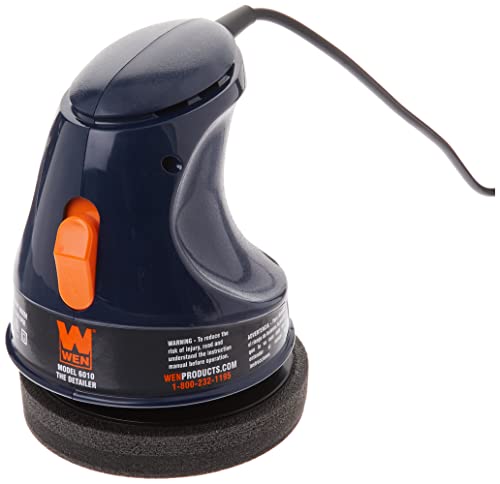
- Lightweight 3.4-pound body
- Runs at 3,500 rpm
- Includes two six-inch bonnets
Best For: Basic waxing and light polishing with simple controls
Best Ergonomic 6-Inch Option
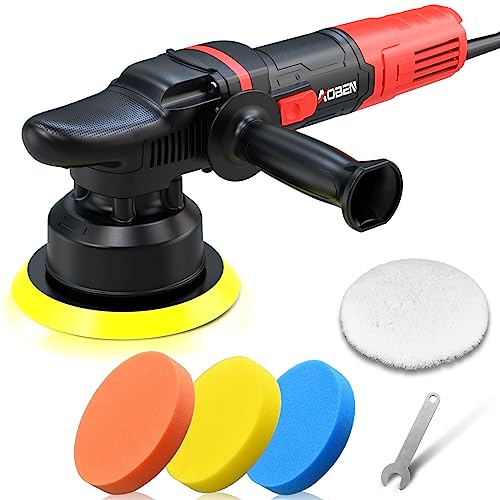
- 700W motor with six speeds
- 1,000–4,500 rpm range
- Includes foam and wool pads
Best For: Adjustable car polishing with flexible handle positions
Best Large-Area Waxer
WEN 10PMC 10-Inch Waxer/Polisher
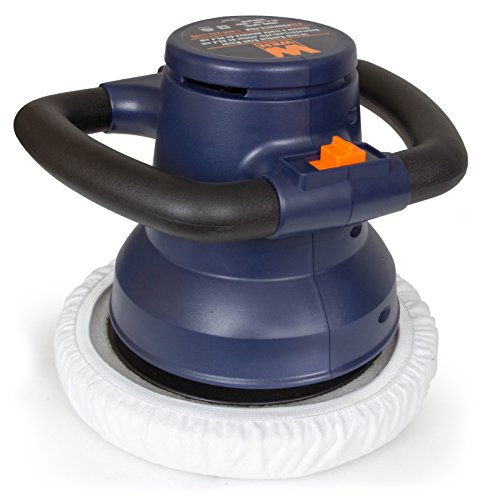
- Large 10-inch polishing surface
- Runs at 3,200 orbits per minute
- Includes bonnets, mitt, and case
Best For: Broad vehicle waxing and polishing with bundled storage
Best Cordless Option
Protmex Eccentric Car Polisher

- Cordless 3.3-pound design
- Two 21V batteries included
- Six speeds from 2,800–5,500 RPM
Best For: Portable car polishing and waxing
Best High-Power Rotary

- 1,600W motor for demanding tasks
- Seven speeds from 1,000–3,500 RPM
- Three handle-use configurations
Best For: Heavy-duty polishing and sanding
Best for Tight Areas
SPTA 12V Cordless Mini Polisher
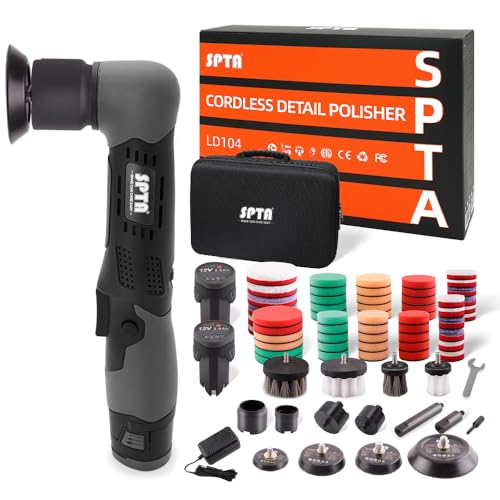
- 25mm, 50mm, and 80mm backing plates
- Cordless 12V design
- Dual-action and rotary attachments
Best For: Emblems, body lines, and spot polishing
Power & Control Pick
SEESII 1600W Rotary Buffer Polisher

- 1600W copper motor for demanding correction work
- Seven speeds with 6- and 7-inch pad support
- Includes sponge, wool, and sanding accessories
Best For: DIY detailers handling larger vehicles, boats, and mixed-material projects
Long-Cord Workhorse
ZOTA 1600W Variable-Speed Polisher

- 13.1-foot cord improves reach around vehicles
- Seven speeds from 1000 to 3500 RPM
- Large accessory kit with 6- and 7-inch pads
Best For: Garage polishing, waxing, and broad vehicle surfaces
Detailing Flexibility Pick
BATOCA S5 Cordless Mini Polisher

- Switches between rotary and 12mm random-orbital modes
- Cordless design with two interchangeable 12V batteries
- 1- and 3-inch plates target tight detailing areas
Best For: Small-area paint correction on emblems, wheels, headlights, and body lines
Best All-Around Kit – SPTA 5-Inch Dual Action Polisher
For shoppers comparing automotive polishing machines, the SPTA DAPSET-US stands out as a versatile dual-action kit with a 750W motor, six speed settings, and accessories for polishing, waxing, sanding, and paint correction. Its 2,000–5,200 rpm range accommodates different detailing tasks, while constant-speed electronics are designed to support steadier operation.
Best For: DIY detailers who want a broad accessory package for polishing, waxing, sanding, and removing swirls or oxidation.
Pros:
- Powerful 750W, 6.5A dual-action motor with six adjustable speeds.
- Constant power and smooth-start features can make extended work more comfortable.
- Includes multiple pads, compounds, sanding discs, handles, towels, and a carrying bag.
- Side and D-handle options provide flexible control.
Cons:
- The large accessory set may be more than needed for simple waxing.
- Its corded 110V design requires access to a suitable power outlet.
This is a strong choice when you want one automotive polishing machine to cover routine waxing as well as more demanding correction and sanding jobs.
Best Simple Waxer – WEN 6010 6-Inch Waxer/Polisher
The WEN 6010 is a straightforward option among automotive polishing machines, using a 120V permanent-magnet motor that runs at 3,500 rpm. Its contoured palm and body-grip design supports one- or two-handed use, and the included applicator and terry cloth bonnets cover basic waxing and polishing needs.
Best For: Users who want a lightweight, uncomplicated machine for routine wax application and light polishing.
Pros:
- Compact 3.4-pound design for easier handling.
- Contoured body supports one- or two-handed operation.
- Lockable on/off switch helps maintain continuous operation.
- Includes applicator and terry cloth bonnets.
Cons:
- Its 60W motor and fixed 3,500 rpm speed offer less adjustment than variable-speed models.
- The supplied six-inch bonnet setup is geared toward basic tasks rather than extensive correction work.
The WEN 6010 makes sense for buyers prioritizing simplicity and low weight over advanced speed control or a large detailing accessory bundle.
Best Ergonomic 6-Inch Option – AOBEN Dual Action Polisher
The AOBEN AT-35001 combines a 700W motor with six variable speeds from 1,000 to 4,500 rpm, making it a flexible pick among automotive polishing machines. Its dual-action motion is intended to help create a swirl-free finish, while the included foam and synthetic wool pads support waxing, polishing, and paint-defect removal.
Best For: Car owners and detailers who want a six-inch dual-action machine with adjustable speeds and multiple grip choices.
Pros:
- Six speed settings cover waxing, polishing, cleaning, and defect removal.
- Dual-action random orbital movement is designed for broader, swirl-conscious polishing.
- Side handle can be mounted on either side, with a top-handle option.
- Includes three foam pads and a synthetic wool pad.
Cons:
- At 6.8 pounds, it is heavier than the compact WEN 6010.
- The manufacturer notes that the machine may stop under excessive pressure at speeds one through three.
With its useful speed range and adaptable handle setup, the AOBEN is a practical middle ground for vehicle polishing, waxing, and occasional work on boats, furniture, or metal.
Best Large-Area Waxer – WEN 10PMC 10-Inch Waxer/Polisher
The WEN 10PMC offers a 10-inch polishing surface for buyers comparing automotive polishing machines suited to covering larger areas. Its 120V, 0.75-amp permanent-magnet motor operates at 3,200 orbits per minute, and the included bonnets, washing mitt, and storage case make it ready for routine waxing and polishing.
Best For: Users who prefer a larger 10-inch pad and a bundled case for broad vehicle surfaces and general wax application.
Pros:
- Ten-inch pad can cover broad areas during waxing and polishing.
- Includes applicator, polishing, and wool-blend polishing bonnets.
- Comes with a washing mitt and storage case.
- High-impact insulated housing adds a protective design feature.
Cons:
- Its larger nine-pound body may be less convenient for tight or detailed areas.
- The fixed 3,200 orbits-per-minute speed provides no variable-speed adjustment.
The 10PMC is a sensible choice for broad, routine waxing sessions, especially if you value a larger working surface and organized storage over compact handling.
Best Cordless Option – Protmex Eccentric Car Polisher
For shoppers comparing automotive polishing machines, the Protmex stands out as a lightweight cordless eccentric polisher with two batteries and six speed settings. Its 2,800–5,500 RPM range and included pads make it a flexible choice for routine paint care and other surfaces.
Best For: Cordless car polishing, waxing, and light defect correction when portability matters.
Pros:
- Cordless 3.3-pound design helps reduce fatigue and avoids tangled power cords.
- Two 21V, 2,000mAh batteries support longer sessions with a charged backup.
- Eccentric motion helps spread wax evenly and reduce the risk of over-polishing.
- Includes multiple sponge, wool, cloth, and sanding accessories.
Cons:
- Battery-powered operation requires charging before use.
- Its maximum speed and cordless format may be less suitable for heavy-duty correction than a high-powered rotary machine.
The Protmex is a practical pick for DIY detailers who value mobility and a broad accessory kit. Six speed levels provide useful control, while the dual-battery setup helps minimize interruptions.
Best High-Power Rotary – LDHTHOPI 1600W Rotary Buffer
Among automotive polishing machines, the LDHTHOPI is built for buyers who want corded power and a larger working area. Its 1,600W motor, seven speed settings, and multiple handle configurations support polishing, sanding, and waxing across automotive and household surfaces.
Best For: High-power polishing and sanding on cars, boats, floors, furniture, marble, wood, and metal.
Pros:
- Powerful 1,600W motor is designed for oxidation, scratches, and stubborn stains.
- Seven variable speeds range from 1,000 to 3,500 RPM for task-specific control.
- Can be used directly or with a D-handle or side handle.
- Includes several foam and wool pads, sandpaper, handles, and a storage bag.
Cons:
- Corded 110V operation limits mobility compared with cordless models.
- The manufacturer advises stopping for five minutes after each 15-minute working period to cool the motor.
- A rotary design may require more operator control to avoid overworking paint.
The LDHTHOPI offers the strongest motor in this group and a useful selection of accessories. It is best suited to users comfortable managing a corded rotary buffer and following the recommended cooling intervals.
Best for Tight Areas – SPTA 12V Cordless Mini Polisher
For automotive polishing machines designed to reach confined areas, the SPTA cordless mini polisher offers a compact alternative to full-size buffers. Its 25mm, 50mm, and 80mm backing plates are intended for emblems, body lines, and other detailed sections of a vehicle.
Best For: Spot polishing, emblems, narrow body lines, and detailed automotive correction.
Pros:
- Compact cordless design is portable and easier to maneuver in tight areas.
- Includes 25mm, 50mm, and 80mm backing plates for varied detailing work.
- Dual-action and rotary attachments provide different polishing approaches.
- Large accessory kit includes two batteries and numerous polishing pads and brushes.
Cons:
- Mini backing plates are less efficient for polishing large body panels.
- The 12V format is intended for detailed work rather than full-size, heavy correction.
- The listed weight is 1.95 kg, so it may not feel as lightweight as some compact tools.
The SPTA is a specialized detailing tool rather than an all-purpose panel polisher. Its small backing plates, cordless operation, and extensive pad selection make it especially useful for precision work and hard-to-reach paint areas.
Power & Control Pick – SEESII 1600W Rotary Buffer Polisher
For shoppers comparing automotive polishing machines, the SEESII stands out as a corded rotary buffer with a powerful 1600W pure copper motor, seven speeds, and support for both 6- and 7-inch pads. It is equipped for correction, polishing, waxing, and sanding, though the manufacturer recommends a 10-minute cool-down after every 30 minutes of use.
Best For: DIY detailers, boat owners, and users who want a versatile corded polisher for larger surfaces and multiple materials.
Pros:
- 1600W pure copper motor is designed to tackle oxidation, scratches, and stains.
- Seven variable speeds support delicate sanding through more aggressive correction.
- Detachable D-handle, side handle, speed lock, and quick-change hook-and-loop pads improve handling and workflow.
- Includes sponge, wool, and 1500-grit sandpaper pads for different polishing stages.
Cons:
- Corded operation limits mobility compared with cordless automotive polishing machines.
- The tool requires cooling breaks during extended use.
- Its rotary design may require more careful technique than a random-orbital polisher.
The SEESII is a strong choice when power, broad pad compatibility, and a complete accessory kit matter more than cordless convenience. Its handles and speed lock make longer jobs more manageable, while the included pads cover common restoration tasks.
Long-Cord Workhorse – ZOTA 1600W Variable-Speed Polisher
The ZOTA is one of the more practical automotive polishing machines for garage users who need corded power without frequently changing outlets. Its 1600W pure copper motor, seven settings from 1000 to 3500 RPM, and upgraded 13.1-foot cord make it suited to vehicle polishing, waxing, and other surface-maintenance jobs.
Best For: Home garages, detailers, and users who value extended reach and a broad selection of included pads.
Pros:
- Seven variable speeds cover sanding, polishing, and finishing applications.
- 13.1-foot power cord provides more working range than a shorter cord.
- Three ergonomic handle configurations and a safety lock are designed to reduce fatigue.
- Accessory kit includes 6- and 7-inch pads, sandpaper, handles, storage bag, and spare carbon brushes.
Cons:
- It is a corded tool, so access to a suitable outlet is required.
- The 1600W rotary format may be more machine than needed for small detailing touch-ups.
- Pad and accessory counts can make the kit more involved for beginners to organize.
Choose the ZOTA if long-cord convenience and included accessories are high priorities. Its speed range and handle choices provide useful flexibility, while the 6- and 7-inch format is better suited to broad panels than tight detail areas.
Detailing Flexibility Pick – BATOCA S5 Cordless Mini Polisher
Among compact automotive polishing machines, the BATOCA S5 is designed for portability and tight spaces rather than large-panel speed. It can switch between rotary and 12mm random-orbital operation, uses 1- and 3-inch backing plates, and includes two interchangeable 12V batteries for cordless detailing work.
Best For: Detailers working on emblems, headlights, wheels, body lines, and other small or hard-to-reach areas.
Pros:
- Two operating modes provide rotary and 12mm dual-action functionality.
- Six speed settings from 2000 to 5500 RPM accommodate waxing, polishing, and defect removal.
- Tool-free shaft changes take about five seconds, according to the supplied notes.
- Includes two batteries, 1- and 3-inch backing plates, pads, sandpaper, charger, and storage bag.
Cons:
- Each battery is rated for approximately 20 to 30 minutes of no-load runtime.
- The 1-inch backing plate is limited to the straight shaft; the 3-inch plate requires the eccentric shaft.
- Supplied notes report 80.6 dB(A) sound pressure and noticeable vibration in eccentric mode.
The S5 is a specialized complement to a full-size buffer, especially when precision and portability matter. Its small backing plates and interchangeable shafts make it well suited to localized correction, but its battery runtime and compact format are less appropriate for polishing entire vehicles.
How We Picked These Automotive Polishing Machines
We selected machines that represent the main categories shoppers consider: dual-action polishers for safer paint correction, rotary buffers for experienced users and heavier work, simple waxers for basic application, and cordless mini polishers for tight areas. We also compared useful specifications such as speed range, pad compatibility, power source, included accessories, handling, and likely use case.
Because manufacturer specifications and included kits can vary, verify the current listing for exact pad sizes, battery contents, bonnet quantities, and warranty details before ordering.
Quick Comparison
| Type | Best For | What to Look For |
|---|---|---|
| Dual-action | General detailing and beginner-friendly correction | Variable speed, balanced grip, interchangeable pads |
| Rotary | Fast correction and larger vehicles | Speed control, side handle, heat management |
| Waxer/polisher | Applying wax and maintaining shine | Comfort, bonnet availability, simple controls |
| Cordless mini | Spot repairs, trim, and tight panels | Battery life, compact pads, accessory variety |
Key Buying Factors for Automotive Polishing Machines
Dual-Action Versus Rotary Movement
A dual-action machine combines rotation and orbiting movement, generally reducing the risk of concentrated heat and paint damage. It is the more forgiving choice for most home detailers. Rotary machines can cut faster and work well for advanced correction, but they require better technique and attention to speed, pressure, and panel temperature.
Power, Speed, and Control
Higher wattage does not automatically mean better results. A useful speed range and smooth adjustment matter more because polishing, finishing, and waxing require different settings. Soft-start behavior, a comfortable handle, and manageable vibration can make a long detailing session safer and less tiring.
Pad Size and Accessories
Six- to seven-inch pads cover large panels efficiently, while five-inch pads offer better control around curves and body lines. Mini polishers are useful for narrow sections but are not a replacement for a full-size machine. Kits with multiple foam pads, backing plates, bonnets, and handles may provide better value if the accessories match your intended compounds and finishes.
Corded or Cordless Power
Corded models provide consistent output for complete vehicles and larger boats. Cordless machines improve portability and eliminate cable management, but runtime, charging time, and replacement battery cost should be part of the calculation.
Who Should Buy Which Automotive Polishing Machines?
Choose a dual-action model if you are new to machine polishing or want a versatile tool for regular paint maintenance. Choose a rotary buffer if you already understand paint correction and need faster cutting on larger surfaces. A basic waxer is suitable for applying and removing wax without attempting significant defect removal. Pick a cordless mini polisher for spot correction, motorcycle parts, trim, headlights, or difficult contours. For occasional detailing, prioritize comfort and included accessories; for frequent professional-style work, prioritize speed control, serviceability, pad availability, and consistent power.
