

10 Best Car Tire Changers for Home Garages in 2026: Manual and Automatic Picks

Changing tires at home can save time and service costs, but the right equipment depends on your wheel sizes, available space, and how often you work on vehicles. This roundup compares 10 car tire changers for home garages, from compact manual bead breakers to powered machines with larger operating ranges.
Use the specifications and buying guidance below to match a tire changer to your garage, vehicle types, and comfort level with hands-on mounting and demounting.
Best 10 Car Tire Changers for Home Garages Picks for 2026
Portable Heavy-Duty Pick

- 12-21 inch rim compatibility
- Supports tires up to 39 inches
- Portable 80-pound steel design
Best For: Mobile repairs and versatile home-garage use
Powered Garage Upgrade

- 2 HP motor with 110-volt power
- Clamps rims up to 24 inches inside
- 5,500-pound bead-breaking force
Best For: Stationary home garages and small auto shops
Compact Budget Choice
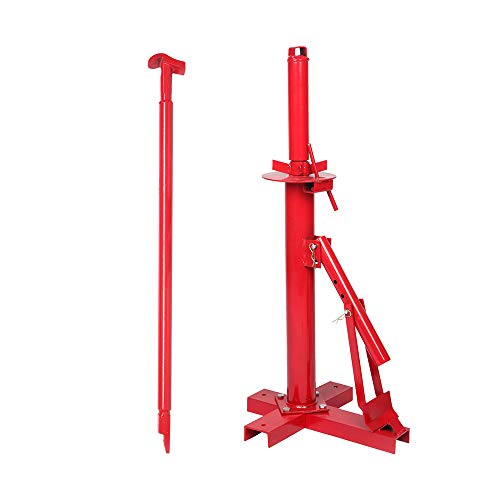
- Handles 8-16 inch tires
- Weighs about 32 pounds
- Adjustable bead breaker and locking collar
Best For: Small tires, occasional repairs, and emergency use
Rim-Protection Pick

- Clamps wheels up to 24 inches
- Protective covers help prevent rim scratches
- 120-volt, 1.5 HP motor
Best For: Stationary garages handling larger or sensitive-finish wheels
Best Portable Pick

- Handles 4- to 16.5-inch tubeless tires
- Portable steel design for garage or roadside use
- Suitable for car and motorcycle tires
Best For: Home garages and small auto shops needing portability
Best Powered Shop-Style Option

- 2.0HP motor for powered tire service
- Clamps wheels from 12 to 24 inches
- Protective coated clamps help reduce rim damage
Best For: High-volume garages and small professional shops
Best Lightweight Manual Value

- Handles 8- to 16-inch light-vehicle tires
- 30.9-pound design is easy to move
- Rounded contact points help protect tires and hubs
Best For: DIY garages servicing cars, SUVs, pickups, and powersports
Best Overall Combo
KATOOL 2HP Tire Changer and Wheel Balancer

- 2HP, 120V motor with dual assist arms
- Changer and balancer combination saves workspace
- Supports broad wheel sizes and includes bead blasting
Best For: Busy home garages and small shops needing an integrated tire service setup
Best Manual Shop-Style Pick
Auto Dynasty Manual Tire Changer

- Handles 15- to 21-inch tires
- Safety bolts and lock pins improve stability
- Compact high-carbon steel frame weighs 37 pounds
Best For: Home garages and small shops working on common car and SUV tires
Best Portable Value

- No power or pneumatic hookup required
- Supports cars, motorcycles, ATVs, and more
- Portable steel design with anti-rust coating
Best For: DIY users needing a flexible manual changer for home or roadside work
Portable Heavy-Duty Pick – LCTX Manual Tire Changer
For shoppers comparing car tire changers for home garages, the LCTX is a versatile manual option with a broad 12- to 21-inch rim range and support for tires up to 39 inches. Its steel construction and portable 80-pound design suit garage, outdoor, and mobile repair work.
Best For: Home mechanics who want a portable manual changer for standard, low-profile, and tubeless tires.
Pros:
- Handles 12- to 21-inch rims and tires up to 39 inches.
- Works with tubeless and low-profile tires.
- Portable design can be stored in a vehicle trunk.
- Includes mounting, demounting, bead-breaking, and wheel-securing components.
Cons:
- Manual operation requires more physical effort than powered machines.
- Assembly and installation require careful attention to the instructional video.
- Its recommended operating pressure is 120-145 psi, so a suitable air setup is needed.
The LCTX stands out when portability and broad tire compatibility matter more than automated operation. Verify your air supply and plan for a careful assembly before taking on regular tire work.
Powered Garage Upgrade – Albott 2 HP Tire Changer
Among car tire changers for home garages, the Albott offers powered operation with a 2 HP motor, 110-volt input, and clamping coverage for a wide range of car, SUV, and light-truck wheels. Its steel body and high break force are aimed at more demanding tire work.
Best For: Larger home garages or small shops handling cars, SUVs, and light trucks.
Pros:
- Supports 10- to 20-inch outside clamping and 12- to 24-inch inside clamping.
- 2 HP, 110-volt motor provides powered operation.
- Carbon claws are rated for a 5,500-pound bead-breaking force.
- Q235B steel body has an anti-rust coating and 13 mm chrome plate.
Cons:
- At 430 pounds, it is not a portable garage tool.
- Its large package and 73.6-inch height require substantial space.
- Powered equipment may be more machine than occasional users need.
The Albott is a serious, shop-style choice for users who expect frequent work and have room for a stationary machine. Its clamping range and powered bead-breaking capability make it better suited to heavier workloads than compact manual changers.
Compact Budget Choice – TUFFIOM Manual Tire Changer
The TUFFIOM is one of the more compact car tire changers for home garages, weighing about 32 pounds and covering 8- to 16-inch tires. Its manual design is suited to basic tire repair, especially when portability and simple storage are priorities.
Best For: Home users and small auto shops working on smaller tires and needing an emergency-capable tool.
Pros:
- Compact, approximately 32-pound design is easier to move than powered machines.
- Adjustable bead breaker fits most tires from 8 to 16 inches.
- Steel construction with a red powder-coated finish supports durability.
- Locking collar helps hold the tire during operation.
Cons:
- Its 8- to 16-inch range is narrower than larger changers.
- The base should be fixed to the ground or secured to a wooden pallet for operation.
- Manual changing requires physical effort and may allow movement if not secured.
This TUFFIOM model makes sense for smaller wheels and occasional repairs where a full-size machine would be excessive. Secure the base properly, particularly when using it outdoors or during emergency work.
Rim-Protection Pick – KATOOL ME-T500 Tire Changer
For home-garage buyers comparing car tire changers, the KATOOL ME-T500 combines a 120-volt, 1-phase, 1.5 HP motor with inside and outside clamping for wheels up to 24 inches. Its polished mounting head and protective covers are designed to help reduce rim contact damage.
Best For: Stationary garage users who prioritize broad wheel compatibility and protection for sensitive finishes.
Pros:
- Clamps 12- to 22-inch wheels outside and 14- to 24-inch wheels inside.
- 120-volt motor is designed for standard North American workshop circuits.
- Stainless mounting head and plastic protection help minimize rim scratches.
- Pure-copper motor windings support heat dissipation and operating life.
Cons:
- At 473 pounds, it is intended for stationary installation.
- Its 1.5 HP motor is less powerful on paper than some 2 HP alternatives.
- Its 24-inch capability may be unnecessary for users with smaller wheels.
The KATOOL is a strong fit when wheel-finish protection is a key buying factor. It requires dedicated floor space, but its broad clamping range and standard 120-volt configuration make it practical for a fixed North American garage setup.
Best Portable Pick – TUFFIOM Manual Tire Changer
For shoppers comparing car tire changers for home garages, the TUFFIOM is a practical manual option when portability and a broad fit range matter more than powered operation. It handles 4- to 16.5-inch tubeless tires and is suitable for car or motorcycle work.
Best For: Home garages, roadside emergencies, and small auto shops needing a portable manual changer.
Pros:
- Supports 4- to 16.5-inch tubeless tires.
- Portable, lighter, and more economical than an electric tire changer.
- Heavy-duty powder-coated steel construction.
- Works with both car and motorcycle tires.
Cons:
- Manual operation requires more physical effort than a powered machine.
- Its 16.5-inch jaw capacity limits compatibility with larger wheels.
- At 61.6 pounds, it is portable but not especially lightweight.
The TUFFIOM makes sense for occasional tire work where a durable, movable tool is more useful than shop-level automation.
Best Powered Shop-Style Option – KATOOL 2.0HP Tire Changer
Among car tire changers for home garages, the KATOOL stands out as the most powerful and substantial choice. Its 2.0HP motor and dual clamping ranges are aimed at users who want faster, repeated tire service and have room for a 520-pound machine.
Best For: High-volume home garages or small shops that need powered operation and broad wheel coverage.
Pros:
- 2.0HP motor provides high-torque powered operation.
- Outside clamps cover 12-22 inches; inside clamps cover 14-24 inches.
- Polymer-coated clamps and tool heads help protect alloy and painted rims.
- Heavy-gauge steel construction is designed for daily shop use.
Cons:
- At 520 pounds, it is not portable.
- Its 45 x 30 x 34-inch footprint requires substantial garage space.
- More machine than occasional DIY users may need.
The KATOOL is the strongest fit for serious tire work, but its size, weight, and shop-oriented design make it less practical for a casual home user.
Best Lightweight Manual Value – VEVOR Manual Tire Changer
The VEVOR is a straightforward choice for car tire changers for home garages, especially when you want a lighter manual tool for common light-vehicle tires. Its 8- to 16-inch range covers cars, SUVs, pickups, lawn mowers, and UTVs or ATVs, though it is not intended for commercial vehicles.
Best For: DIY users servicing common light vehicles and needing a relatively compact manual changer.
Pros:
- Supports 8- to 16-inch tires.
- At 30.9 pounds, it is easier to move than heavier changers.
- Rounded, thicker contact parts are designed to reduce tire and hub damage.
- X-shaped base includes pre-drilled holes for ground reinforcement.
Cons:
- Manual operation can require significant effort.
- Not designed for commercial vehicles.
- Its 16-inch limit excludes larger wheels.
With its lighter frame, adjustable holes, and broad light-vehicle compatibility, the VEVOR is a sensible occasional-use option for a DIY garage.
Best Overall Combo – KATOOL 2HP Tire Changer and Wheel Balancer
For busy home garages seeking car tire changers for home garages with added shop capability, the KATOOL ME 2.0HP combo pairs a tire changer with a wheel balancer. Its dual clamping ranges, assist arms, bead blaster, and 120V motor make it suited to frequent tire service.
Best For: Busy home garages and small shops that need tire changing and wheel balancing in one substantial machine.
Pros:
- Handles outside 12–22-inch and inside 14–24-inch wheel clamping.
- Double assist arms and a high-powered bead blaster help reduce manual effort.
- Includes automatic balancer measurement, protective covers, and a 2HP pure-copper motor.
- Rugged steel construction is designed for demanding garage use.
Cons:
- At 524 pounds, it is considerably less portable than manual alternatives.
- The combo format requires substantial floor space and a larger equipment budget.
This is the most capable option of the three, especially if wheel balancing is part of your routine. Its size and weight make it better for a dedicated workspace than occasional driveway use.
Best Manual Shop-Style Pick – Auto Dynasty Manual Tire Changer
The Auto Dynasty manual machine is a straightforward choice among car tire changers for home garages. It is built for 15- to 21-inch tires and uses a high-carbon steel frame, safety lock pins, and anti-slip bolts to provide a stable workstation without powered operation.
Best For: Home garages and small auto shops servicing sedans, SUVs, and other light vehicles with common 15- to 21-inch tires.
Pros:
- Supports tires from 15 to 21 inches.
- Anti-slip bolts and safety lock pins help keep the machine stable during use.
- High-carbon steel construction is designed for repeated heavy-duty work.
- Rust-resistant coating and modular design support maintenance and part replacement.
Cons:
- Manual operation requires more physical effort than powered machines.
- Its stated tire range is narrower than the portable 4- to 21-inch alternative.
With a 37-pound body and compact 18-by-14.5-by-37-inch dimensions, this machine offers a practical middle ground: more structured than a basic portable tool, but still manageable for a home workspace.
Best Portable Value – Montary Manual Tire Changer
For occasional repairs, roadside work, or mixed equipment, this Montary manual machine is one of the more flexible car tire changers for home garages. It needs no power or pneumatic connection and is designed to handle tire sizes from 4 to 21 inches, depending on the application.
Best For: DIY users who need a portable manual changer for cars, motorcycles, ATVs, trailers, bicycles, and light trucks.
Pros:
- Works with a broad stated range of 4- to 21-inch tires.
- Requires no electrical hookup or pneumatic line.
- Heavy steel construction has a red anti-rust and anti-corrosion coating.
- Portable design suits home, shop, and outdoor emergency use.
Cons:
- Manual mounting and bead breaking require hands-on physical effort.
- The notes also specify a 4- to 16.5-inch range for many applications, so buyers should verify fit for their intended tires.
- It does not include powered assistance or wheel balancing.
This is the most versatile option for users who value portability and broad equipment compatibility over speed. It is particularly useful when access to power or compressed air is limited.
How We Picked the Best Car Tire Changers for Home Garages
We compared the listed machines by tire and rim-size coverage, operating style, portability, construction features, and suitability for occasional home use. The selection includes manual models for shoppers prioritizing low cost and compact storage, plus powered changers for users who handle tires frequently or need faster operation.
Because product specifications and included accessories can vary, confirm the manufacturer’s current details before ordering. Pay particular attention to the stated rim range, maximum tire diameter, power requirements, and whether the stand, bead breaker, assist arm, or other tools are included.
Quick Comparison
| Type | Best For | Main Advantage | Trade-Off |
|---|---|---|---|
| Portable manual | Occasional tire work and tight garages | Lower price and easy storage | Requires more physical effort |
| Heavy-duty manual | DIY users handling varied wheel sizes | Broad compatibility without electricity | Slower than powered equipment |
| Powered tire changer | Frequent use and multiple vehicles | Faster mounting and demounting | Higher cost, weight, and space needs |
| Powered combo or assist-arm model | Demanding tires and regular service work | More control for stiff or low-profile tires | Largest investment and setup requirements |
Key Buying Factors for Car Tire Changers for Home Garages
Wheel and Tire Compatibility
Start with the wheels you actually service. A changer’s rim range does not always tell the whole story: tire diameter, width, sidewall stiffness, and wheel design also affect compatibility. Leave some margin rather than choosing a machine that only covers your current wheel size.
Manual Versus Powered Operation
Manual changers are practical for occasional repairs, seasonal tire swaps, and garages without a dedicated power circuit. Powered machines reduce effort and improve productivity, but they usually require more floor space, a stable mounting area, compressed air or electrical capacity, and careful setup.
Stability and Protection
Look for a rigid base, locking pins, anti-slip features, and secure wheel clamping. Rim-protection accessories and a suitable mounting tool can help reduce scratches, while lubricant and proper technique are essential for preventing bead or wheel damage.
Storage and Workspace
Measure your available floor and storage space before buying. Portable models can be moved between jobs, while powered machines need a permanent, level location with enough room to rotate the wheel and operate the controls safely.
Who Should Buy Which Car Tire Changers for Home Garages?
Choose a portable manual model if you work on one or two vehicles, need occasional tire service, or want the simplest low-cost setup. A broader-range heavy-duty manual changer makes more sense for DIY users handling several wheel sizes without access to shop power.
Choose a powered changer if you change tires regularly, work with larger wheels, or want to reduce physical strain. For frequent service involving stiff, low-profile, or difficult-to-mount tires, a model with an assist arm or bead-blast function can justify its larger footprint and higher price. Always follow the operating instructions and use appropriate wheel protection and safety equipment.
