

10 Best Professional Cycling Radar Systems for Safer Rides in 2026

Professional cycling radar systems give riders earlier warning of approaching vehicles, helping them make better decisions on busy roads, rural lanes, and group rides. The best models combine dependable detection with a bright rear light and clear alerts.
This roundup compares 10 radar-equipped cycling lights and camera systems across compatibility, visibility, range, battery performance, weather resistance, and value, so you can choose the right setup for your bike and riding style.
Best 10 Professional Cycling Radar Systems Picks for 2026
Best Overall

- 140-meter rear-vehicle detection
- Up to 16 hours in day-flash mode
- Garmin, smartphone, and third-party app support
Best For: Road cyclists seeking a proven radar-and-tail-light combination
Best for Wahoo Users

- 150-meter vehicle detection
- Automatic brake-light increase
- Battery Extender mode and ANT+ control
Best For: ELEMNT users wanting adaptive lighting and radar alerts
Best Bundle
Wearable4U Garmin Varia RTL515 Bundle

- Includes RTL515 mounting kit and cables
- Adds a 2200 mAh charging bank
- Up to 140-meter rear detection
Best For: Garmin radar buyers who want an included charging accessory
Best Feature Variety

- Seven lighting modes
- 140-meter detection with 40-degree beam angle
- IPX7 waterproof and USB-C rechargeable
Best For: Riders wanting flexible lighting and wide device compatibility
Advanced Radar Choice
- Tracks approaching vehicles and threat levels
- Up to 30 hours in radar-only mode
- Bright light with brake and peloton modes
Best For: Garmin-connected riders seeking detailed traffic awareness
Compact Value Pick
iGPSPORT SR mini Radar Tail Light

- Detects vehicles up to 160 meters away
- Automatic brightness increase during braking
- Up to 25 hours in radar-only mode
Best For: Multi-brand riders wanting a compact radar-light combination
Long-Range Mounting Pick
Bryton GARDIA R300L Radar Tail Light

- 190-meter detection range with 220-degree coverage
- 73-lumen light visible up to one mile
- Mounts to standard, D-shaped and Aero posts
Best For: Road riders seeking wide coverage and flexible mounting
Compact Radar Safety Light

- Detects vehicles up to 230 feet behind
- Eight lighting modes with brake alert
- USB-C rechargeable and IP64 water resistant
Best For: Road, mountain, and commuter riders wanting simple radar alerts
Connected Long-Range Radar Light

- Detects vehicles up to 140 meters away
- Up to 40 hours of battery life
- Works with Garmin, COOSPO, and phone app displays
Best For: Connected road and MTB riders needing extended runtime
Radar Camera Mirror System
VeloScope Rear View Radar Camera

- 1080P live rear view on a 4.3-inch display
- Radar detection reaches up to 190 meters
- Records continuously with 10+ hours of battery life
Best For: Riders wanting radar alerts plus a live rear-view camera
Best Overall – Garmin Varia RTL515
The Garmin Varia RTL515 is a strong all-around choice among professional cycling radar systems, combining rear-vehicle detection with a bright tail light and broad device compatibility. It detects vehicles up to 140 meters away and can send visual, audible, tone, or vibration alerts through compatible devices.
Best For: Road cyclists who want dependable radar, long battery life, and seamless Garmin or smartphone integration.
Pros:
- Detects approaching vehicles up to 153 yards away.
- Provides up to 16 hours of battery life in day-flash mode.
- Works with compatible Edge computers, smartphones, wearables, and third-party apps.
- Daylight visibility reaches up to 1 mile.
Cons:
- Solid-mode battery life is limited to up to 6 hours.
- Full functionality depends on a compatible display device or smartphone.
With its compact design, peloton mode, extensive compatibility list, and reliable alert options, the RTL515 is an easy recommendation for riders building a connected safety setup.
Best for Wahoo Users – Wahoo TRACKR RADAR
The Wahoo TRACKR RADAR is an integrated tail light and radar unit designed for riders using ELEMNT computers or other compatible devices. As one of the professional cycling radar systems with adaptive lighting, it detects vehicles up to 150 meters behind and adjusts its behavior to support longer rides.
Best For: Cyclists who use Wahoo ELEMNT computers and want automatic lighting, braking alerts, and app-based customization.
Pros:
- Detects approaching cars up to 150 meters away.
- Brake-light function increases luminosity when slowing.
- Battery Extender mode reduces light output when no vehicles are detected.
- Supports Bluetooth, ANT+, IPX7 protection, and versatile device alerts.
Cons:
- Its 99-gram weight is higher than some compact radar lights.
- Feature access and alerts depend on compatible computers, watches, or smartphones.
Mode memory and automatic lighting changes make the TRACKR RADAR convenient for frequent riders, particularly those already invested in Wahoo’s connected cycling ecosystem.
Best Bundle – Wearable4U Garmin Varia RTL515 Bundle
The Wearable4U bundle packages the Garmin Varia RTL515 with its mounting kit, cables, and a 2200 mAh Wearable4U E-Bank. It delivers the same core radar and tail-light features expected from established professional cycling radar systems while adding a practical charging accessory.
Best For: Riders who want the Garmin RTL515 and an included power bank for keeping compatible electronics charged.
Pros:
- Detects vehicles approaching from up to 140 meters behind.
- Includes radar unit, mounting kit, cables, and a 2200 mAh E-Bank.
- Supports Varia app graphics, tone and vibration alerts, and compatible third-party apps.
- Offers up to 16 hours in day-flash mode.
Cons:
- The bundled E-Bank adds bulk compared with the standalone radar purchase.
- Radar alerts still require a compatible smartphone, computer, wearable, or display.
This is a sensible package for riders who value the RTL515’s established compatibility but also want an extra charging option included in the box.
Best Feature Variety – Magene L508 Radar Tail Light
The Magene L508 offers broad lighting control and radar behavior for riders comparing professional cycling radar systems across brands. Its millimeter-wave radar detects vehicles up to 140 meters away, while seven light modes, braking detection, and support for multiple computers add flexibility.
Best For: Riders who want multiple light patterns, broad cycling-computer compatibility, and radar display through the Magene Utility app.
Pros:
- Provides seven lighting modes, including peloton and radar-only modes.
- Detects rear vehicles up to 140 meters away and supports alerts on compatible displays.
- IPX7 waterproofing, USB-C charging, and up to 16 hours of battery life.
- Supports round, square, and aero seatposts.
Cons:
- Radar display in the Magene Utility app requires a purchase or newsletter subscription.
- Compatibility varies by computer or watch model.
- The listed weight is 0.18 kg, making it heavier than some compact options.
The L508 stands out for customization and mounting flexibility, but buyers should confirm device compatibility and understand the app’s radar-display requirement before purchasing.
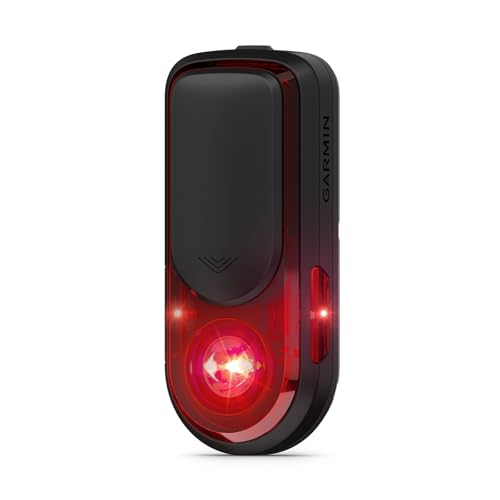
Advanced Radar Choice – Garmin Varia RearVue 820
The Garmin Varia RearVue 820 is a feature-rich option for riders comparing professional cycling radar systems. Its rearview radar tracks approaching vehicles, displays threat levels and movement through compatible Garmin devices or the Varia app, and pairs that awareness with a bright tail light.
Best For: Riders who want advanced vehicle tracking, Garmin ecosystem integration and extended battery life.
Pros:
- Detects and tracks approaching vehicles, including same-speed traffic.
- Tail light is visible from up to 2 km and includes a distinctive brake-light flash.
- Up to 24 hours in day-flash mode or 30 hours in radar-only mode.
- Offers multiple light patterns, including peloton mode and customizable settings.
Cons:
- Some features require a compatible Edge computer, Garmin smartwatch or smartphone app.
- Seat rail mount is sold separately.
- Radar tracking may be unavailable at slower speeds or when obstructed.
Choose the RearVue 820 when detailed alerts and Garmin connectivity matter more than keeping the setup minimal. Its IPX7 rating, compact design and long radar-only runtime make it well suited to serious road riding.
Compact Value Pick – iGPSPORT SR mini Radar Tail Light
The iGPSPORT SR mini combines millimeter-wave rear radar with a tail light in a compact package for riders evaluating professional cycling radar systems. It detects vehicles up to 160 meters away, supports tracking for up to eight vehicles and works with several popular bike-computer ecosystems.
Best For: Commuters and training riders who want broad device compatibility, automatic brake illumination and USB-C charging.
Pros:
- 160-meter detection range with a 45-degree angle and support for up to eight vehicles.
- Automatically increases tail-light brightness when braking is detected.
- Offers up to 20 hours in light mode or 25 hours in radar-only mode.
- Compatible with selected iGPSPORT, Garmin, Wahoo and Bryton devices.
Cons:
- Full real-time alerts require pairing with a compatible computer or device.
- Compatibility is limited to devices supporting standard radar protocols or listed iGPSPORT models.
- The supplied notes do not specify a lumen output for the tail light.
The SR mini is a practical choice if you want radar and lighting without committing to one computer brand. Its automatic sleep/wake feature, multiple modes and two-year warranty add everyday convenience.
Long-Range Mounting Pick – Bryton GARDIA R300L Radar Tail Light
The Bryton GARDIA R300L is a long-range radar and tail-light combination for cyclists comparing professional cycling radar systems. It detects vehicles up to 190 meters away across a 220-degree field and can send visual, audible or smartphone-based alerts through compatible devices and the Bryton Gardia app.
Best For: Road riders who prioritize wide rear coverage, strong daytime visibility and flexible seat-post mounting.
Pros:
- Detects vehicles up to 190 meters away with 220-degree coverage.
- 73-lumen tail light is visible from up to one mile away.
- Six light modes and up to 17 hours of continuous use.
- Tool-free mounting fits standard, D-shaped and Aero seat posts.
Cons:
- Battery life is shorter than the radar-only runtime listed for some competing models.
- Advanced alerts require a compatible bike computer or smartphone app.
- The product is rated IP65 rather than IPX7.
The R300L stands out for riders who need broad coverage and a versatile mounting system. ANT+ and Bluetooth connectivity also make it adaptable for bike-computer or phone-based radar displays.
Compact Radar Safety Light – 24GHz Radar Tail Light
For riders comparing professional cycling radar systems, this compact rear light combines 24GHz vehicle detection with visibility and braking alerts. It detects traffic up to 230 feet behind, offers eight lighting modes, and uses a buzzer plus flashing red light to signal approaching vehicles or deceleration.
Best For: Road, mountain, and commuter cyclists who want an affordable radar tail light with simple onboard alerts.
Pros:
- Detects vehicles up to 230 feet behind with 56-degree horizontal coverage.
- Dual-beam red lighting, eight modes, and automatic high-beam braking alert.
- USB-C rechargeable battery provides up to eight hours of runtime.
- IP64 water resistance and lightweight 2-ounce construction.
Cons:
- Shorter claimed battery life than some competing radar lights.
- Supplied notes do not mention cycling-computer or smartphone display integration.
- Its 50-lumen listed maximum output may be less powerful than higher-output options.
This is a straightforward choice for riders who prioritize vehicle detection, audible warnings, and a lightweight design over connected display features.
Connected Long-Range Radar Light – COOSPO TR70 Radar Tail Light
The COOSPO TR70 is a versatile option among professional cycling radar systems, pairing rear-vehicle detection with a 70-lumen tail light and connected ride data. It detects vehicles up to 140 meters away, can display approach information on compatible Garmin or COOSPO devices, and supports phone alerts through the Cadence app.
Best For: Road and MTB cyclists who want long battery life, connected radar data, and adaptable mounting.
Pros:
- Detects approaching vehicles from up to 140 meters away.
- Up to 40 hours of battery life with USB-C charging.
- Supports Garmin cycling computers, COOSPO devices, and the COOSPORIDE app.
- IPX7 waterproof design and quick-release mounting for multiple seatpost shapes.
Cons:
- Phone-based visual and audible alerts require a compatible smartphone and Cadence subscription.
- The product must be charged for initial activation, and fast charging should be avoided.
- Radar functionality may be less useful without a compatible display or phone setup.
With its unusually long claimed runtime and broad connectivity, the TR70 suits riders who want radar information integrated into an existing cycling computer or app-based training setup.
Radar Camera Mirror System – VeloScope Rear View Radar Camera
For cyclists seeking more than a conventional alert light, the VeloScope combines radar, a 1080P rear camera, and a 4.3-inch handlebar display. It provides a live rear view, detects approaching vehicles up to 190 meters, and delivers visual and audible alerts while recording rides continuously.
Best For: Commuters, road cyclists, and long-distance riders who want a live rear view alongside radar-based vehicle alerts.
Pros:
- Combines radar detection with a low-latency 1080P rear camera view.
- Detects approaching vehicles up to 190 meters behind the bike.
- 4.3-inch display provides visual and audible alerts.
- Offers continuous recording, more than 10 hours of battery life, and IP56 weather resistance.
Cons:
- At 0.7 kg, it is substantially heavier than a basic radar tail light.
- The live camera requires a wired connection to the display.
- IP56 weather resistance is less protective than the TR70’s IPX7 rating.
VeloScope is the most feature-rich option here, but its larger, heavier setup makes it better suited to riders who value a constant rear view and recording over minimal weight.
How We Picked These Professional Cycling Radar Systems
We focused on rear-facing cycling devices that combine vehicle detection with a tail light, camera, or connected display. Selection criteria included stated detection range, alert methods, light visibility, battery life, charging convenience, water resistance, mounting flexibility, and compatibility with bike computers, watches, phones, or dedicated displays.
Radar can improve awareness, but it is an assistance feature rather than a replacement for looking behind you or riding defensively. Manufacturer range figures can also vary with road shape, traffic, weather, and obstructions.
Quick Comparison
| What to Compare | Why It Matters |
|---|---|
| Detection range | Determines how much warning you may receive before a vehicle reaches you. |
| Alert method | Visual, audible, vibration, or display-based alerts affect how easily you notice traffic. |
| Tail-light performance | Brightness, flash patterns, and daylight visibility help motorists see you. |
| Compatibility | Check support for ANT+, Bluetooth, cycling computers, watches, apps, or included monitors. |
| Battery and charging | Longer runtime reduces charging frequency, especially for commuting and touring. |
| Weather protection | An appropriate IP rating is important for wet-weather reliability. |
Key Buying Factors for Professional Cycling Radar Systems
Radar Range and Tracking
Look for a system that detects vehicles early and tracks multiple approaching targets when possible. A longer quoted range is useful on open roads, but dependable alerts and stable tracking matter more than a headline number.
Alerts and Device Compatibility
Some units provide alerts through their own light or audible tones, while others work best with a compatible bike computer, watch, phone, or display. Confirm the connection standard and whether key features require a specific brand ecosystem.
Visibility, Mounting, and Weather Resistance
Choose a light that remains conspicuous in daylight and mounts securely to your seatpost or saddle bag. Consider aero seatposts, round rails, rack mounts, and spare mounting hardware. For year-round riding, prioritize strong water resistance and a sealed charging port.
Battery Life and Extra Features
Match runtime to your longest rides and remember that brighter modes, frequent radar activity, cameras, and live displays can use more power. Camera models may add recording and a rear-view screen, but they generally cost more and require greater charging and storage management.
Who Should Buy Which Professional Cycling Radar Systems?
Daily commuters: Choose a durable radar tail light with clear alerts, dependable battery life, and easy charging. A simple integrated unit is usually more practical than a camera system.
Road cyclists and club riders: A Garmin, Wahoo, Bryton, or compatible Magene system is a strong fit when you already use a matching computer or watch and want alerts integrated into your ride data.
Long-distance and touring riders: Prioritize runtime, weather resistance, broad mounting options, and a visible light mode that can last through the planned route.
Riders wanting recorded rear views: Consider a radar camera with a dedicated monitor if video evidence and live viewing are worth the added cost, weight, storage, and charging requirements.
