

10 Best Wheel Balancers for Accurate Tire Service in 2026

The best wheel balancers help reduce vibration, improve tire wear, and make wheel service more consistent. This roundup compares portable bubble balancers, motorcycle stands, on-board truck balancers, and full tire-service equipment.
Use the buying guide below to match balancing method, wheel size, vehicle type, and workspace to your needs before choosing a model.
Best 10 Wheel Balancers Picks for 2026
Commercial Truck Choice
Centramatic 600-640 Wheel Balancers

- Continuous on-board balancing while driving
- Built for semi trucks and commercial vehicles
- Set of two with 5-year unlimited-mileage warranty
Best For: Professional drivers and fleet operators
Heavy-Duty Steer-Wheel Pick
800-822 Automatic Truck Balancers

- Fits 22.5- to 24.5-inch steer wheels
- Alloy design for heavy-duty use
- Bolt-hole installation needs no specialized tools
Best For: Heavy-duty truck steer-wheel applications
Best Motorcycle Stand
Static and Dynamic Wheel Balancer

- Handles static and dynamic balancing
- Adjustable cones support different wheel sizes
- Compact steel frame for storage
Best For: Motorcycle owners and DIY maintenance
Best for Everyday Use
Bubble Wheel Balancer for Cars and Trucks
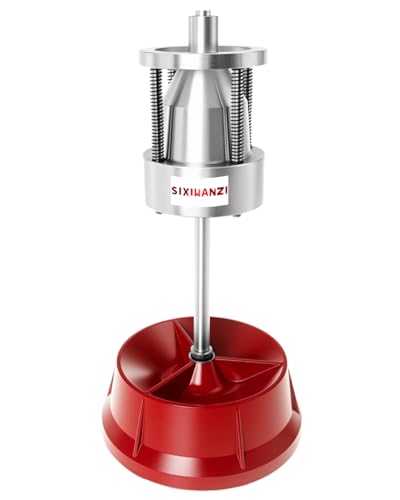
- Compact and lightweight for transport
- Bull's-eye level simplifies balancing
- Fits 1-1/2- to 4-inch hubs
Best For: Home garages and light-truck wheel work
Best Multifunction Stand
Motorcycle Wheel Balancer and Truing Stand

- Balances and trues motorcycle or bicycle wheels
- Supports up to 88.2 pounds and 35-inch wheels
- Includes cones, bearings, weights, and tools
Best For: Workshop users needing balancing and truing
Heavy-Duty Continuous Balancing

- Continuously balances semi-truck wheel assemblies
- May reduce tire wear and operating temperatures
- Maintenance-free sealed design with 5-year warranty
Best For: Commercial semi trucks needing low-maintenance balancing
OEM-Style Truck Replacement

- Fits 22.5-24.5-inch semi-truck wheels
- Uses durable aluminum alloy construction
- Includes two balancers for front steer wheels
Best For: Semi-truck owners replacing 800-822-style balancers
Garage-Service Machine

- Balances car, truck, and SUV tires
- Supports rims under 30 inches
- Heavy-duty 278-pound shop-style construction
Best For: Home garages and small shops handling varied wheel sizes
Portable Pick – Hkysnoa Bubble Wheel Balancer
If you need practical wheel balancers for routine vehicle work, this portable bubble model offers a simple static-balancing setup for most automobiles and light trucks. Its bull’s-eye level and compact design make it suitable for home garages, mobile work, or occasional tire service.
Best For: DIY users and light-duty vehicle owners who want a portable manual balancer.
Pros:
- Designed for most automobiles and light trucks
- Supports hubs from 1-1/2 to 4 inches
- Lightweight, portable base with rust-resistant enamel finish
- Built-in bull’s-eye level helps with accurate static balancing
Cons:
- Static balancing may be less comprehensive than dynamic balancing
- Not presented as a solution for heavy-duty truck wheels
This is a straightforward choice for users prioritizing portability and simple operation. The 11.26-pound construction is manageable to move, while the supported hub range covers many common passenger-car and light-truck applications.
Commercial Truck Choice – Centramatic 600-640 Wheel Balancers
CENTRAMATIC 600-640 Wheel Balancers for Semi Truck, Set of 2, On-Board Balance
Check Price On AmazonFor semi-truck operators comparing wheel balancers, the Centramatic 600-640 set uses on-board technology to continuously balance the complete wheel and tire assembly while driving. It is designed for commercial vehicles and aims to maintain balance as tire wear and road conditions change.
Best For: Semi trucks, professional drivers, and fleet operators seeking continuous on-board balancing.
Pros:
- Continuously balances the wheel and tire assembly in motion
- Designed to reduce vibration and improve driving comfort
- Sealed, maintenance-free aluminum and steel construction
- Set includes two balancers and a 5-year unlimited-mileage warranty
Cons:
- Designed for semi trucks rather than ordinary passenger vehicles
- On-board installation differs from a portable shop-style balancer
These balancers are aimed at long-distance commercial use rather than occasional garage servicing. Their automatic operation, heavy-duty construction, and included two-piece set make them a specialized option for maintaining balance over the life of a tire.
DIY-Friendly Option – NYXOVA Portable Bubble Balancer
This NYXOVA model is one of the more approachable wheel balancers for home garages and small service operations. The portable bubble design uses a built-in level for static balancing, while its stated hub range accommodates many automobiles and light trucks.
Best For: DIY enthusiasts, home users, and small businesses needing a compact manual balancer.
Pros:
- Compact, lightweight design weighing approximately 11 pounds
- Fits hub diameters from 1-1/2 to 4 inches
- Aluminum-alloy base with rust-resistant enamel coating
- Chrome-plated and blackened rods and springs resist rust
Cons:
- Manual static balancing requires user operation
- Intended for automobiles and light trucks, not heavy-duty applications
With a 24-inch height and 11.5-inch base diameter, this balancer offers a practical footprint for occasional tire work. Its corrosion-conscious construction and beginner-friendly format make it a useful alternative for users who do not need an automated truck balancer.
Heavy-Duty Steer-Wheel Pick – 800-822 Automatic Truck Balancers
For heavy-duty truck applications, these 800-822 wheel balancers are designed for 22.5- to 24.5-inch steer wheels. Their automatic balancing design uses centrifugal force to help minimize vibration, support smoother handling, and promote more even tire wear.
Best For: Heavy-duty trucks requiring automatic steer-wheel balancing for 22.5- to 24.5-inch wheels.
Pros:
- Designed specifically for heavy-duty truck steer wheels
- Fits 22.5- to 24.5-inch applications
- Alloy construction is intended to withstand high-speed centrifugal forces
- Installs by aligning with existing bolt holes without specialized tools
Cons:
- Not intended for passenger cars or light trucks
- Fitment should be confirmed against the vehicle and wheel before purchase
This two-piece set is a targeted option for commercial truck owners who want an automatic balancing solution with a straightforward installation approach. The included one-year warranty and 24/7 support add practical reassurance for fleet or work-truck use.
Best Motorcycle Stand – Static and Dynamic Wheel Balancer
For riders who handle routine maintenance at home, this motorcycle wheel balancer supports both static and dynamic balancing. Its adjustable cones and steel construction make it a practical choice for working on a range of motorcycle wheels.
Best For: Motorcycle owners, DIY enthusiasts, and mechanics servicing sport bikes, cruisers, touring motorcycles, and dirt bikes.
Pros:
- Supports both static and dynamic balancing.
- Adjustable centering cones help position different wheel sizes.
- Compact steel design is easy to assemble, use, and store.
Cons:
- Designed specifically for motorcycle wheel maintenance.
- Supplied details do not specify a maximum wheel weight or axle range.
This is a straightforward option for motorcycle-focused maintenance tasks. Choose it if compact storage and dual balancing capability matter more than broader vehicle compatibility.
Best for Everyday Use – Bubble Wheel Balancer for Cars and Trucks
This portable bubble balancer is a simple choice for balancing wheels on most cars and light trucks. The bull’s-eye level, compact footprint, and lightweight aluminum-alloy construction suit quick adjustments in a home garage or shop.
Best For: DIY users, hobbyists, and automotive shops balancing compatible car and light-truck wheels.
Pros:
- Portable design is easy to carry and store.
- Bull’s-eye level supports straightforward balancing.
- Works with hubs from 1-1/2 to 4 inches in diameter.
- Rust-resistant enamel finish protects the aluminum-alloy body.
Cons:
- Intended for most cars and light trucks rather than motorcycles or larger vehicles.
- Bubble balancing may offer fewer adjustment features than more specialized wheel balancers.
Its compact format makes this a convenient tool for basic wheel-balancing work. Verify hub compatibility before buying, particularly if you service wheels outside the stated car and light-truck range.
Best Multifunction Stand – Motorcycle Wheel Balancer and Truing Stand
Among wheel balancers for motorcycle and bicycle work, this VIVOHOME model adds spoke-adjustment capability as a truing stand. Its adjustable cones, bearings, pointer, and broad axle and wheel-size range make it suited to more involved wheel-service tasks.
Best For: Motorcycle enthusiasts and mechanics who need both wheel balancing and truing support.
Pros:
- Combines balancing with spoke and wheel truing.
- Handles axle diameters from 0.65 to 1.5 inches and wheels up to 35 inches.
- Supports wheels up to 88.2 pounds.
- Includes adjustable foot pads, spirit levels, wheel weights, and hex wrenches.
Cons:
- Heavier and larger than simpler balancing stands.
- Its added truing features may be unnecessary for basic balancing only.
This is the most versatile option of the three for users who also need to inspect alignment and adjust spokes. The sturdy, accessory-rich design is appealing for regular workshop use, provided the larger footprint suits your space.
Heavy-Duty Continuous Balancing – Centramatic 800-820
For semi-truck operators seeking wheel balancers that work continuously on the road, the CENTRAMATIC 800-820 uses sealed, on-board balancing technology to balance the complete wheel and tire assembly while driving. Its maintenance-free design is intended to help reduce vibration, tire wear, and operating temperatures.
Best For: Semi trucks that need continuous dynamic balancing without recurring adjustments or calibration.
Pros:
- Continuously balances the wheel and tire assembly while driving.
- Designed to reduce irregular tire wear, rolling resistance, and operating temperatures by up to 10%.
- Sealed, maintenance-free construction requires no balancing adjustments after installation.
- Made in the USA and backed by a 5-year unlimited-mileage warranty.
Cons:
- Designed specifically for heavy-duty semi-truck applications rather than general passenger vehicles.
- Installation requires fitting the balancers to the wheel assembly.
With two balancers per set and a sealed design, this is a practical option for commercial vehicles where reduced vibration and low maintenance are priorities.
OEM-Style Truck Replacement – Automatic 800-822 Balancers
These automatic wheel balancers are a replacement-oriented choice for heavy-duty truck wheels measuring 22.5 to 24.5 inches. The aluminum alloy units install inside the wheel and automatically correct imbalance during operation, helping address uneven tire wear and component strain.
Best For: Semi-truck owners needing a direct-fit replacement for 800-822-style front steer wheel balancers.
Pros:
- Fits 22.5- to 24.5-inch heavy-duty semi-truck wheels.
- High-strength aluminum alloy resists corrosion and deformation.
- Designed to reduce uneven tire wear and extend the service life of tires, suspension, and steering components.
- Supplied as a two-piece set for both front steer wheels.
Cons:
- The tire assembly must be removed because the balancer installs inside the wheel.
- Vehicle-specific fitment should be confirmed before ordering.
- Warranty coverage is listed as one year.
This set makes sense when compatibility with 22.5- to 24.5-inch semi-truck wheels and an OEM-equivalent 800-822 replacement are more important than universal vehicle coverage.
Garage-Service Machine – KATOOL KT-B750 Wheel Balancer
Unlike onboard truck balancers, the KATOOL KT-B750 is a shop-style wheel balancer machine for car, truck, and SUV tires. It accommodates rims under 30 inches and uses multiple balance modes, user-friendly controls, and pressure sensors for repeatable balancing work in a home garage or repair setting.
Best For: Home garages and small repair operations balancing a range of car, truck, and SUV wheels.
Pros:
- Supports rim diameters under 30 inches and wheel widths from 3 to 12 inches.
- Offers multiple balance modes for different rim types.
- Heavy steel construction and a high-strength welded body are designed to limit vibration.
- Pure-copper motor winding supports power, heat dissipation, and longer operating life.
Cons:
- At 278 pounds, it is a substantial machine that requires dedicated space.
- It is equipment for shop-based balancing rather than a fitted, on-vehicle balancer.
- Its stated wheel-size range may not cover every commercial truck application.
The KT-B750 is the more versatile pick for users who want to perform wheel balancing themselves across several vehicle types, provided they have the room and setup for a full-size machine.
How We Picked the Best Wheel Balancers
We organized these Wheel Balancers by the jobs they are designed to handle: passenger cars, motorcycles, semi trucks, and general garage tire service. We considered balancing method, portability, wheel-size compatibility, installation style, construction, and how practical each option is for its intended user.
Because a simple bubble balancer and a powered tire machine serve very different purposes, the “best” choice depends on your workflow. Portable models favor low cost and straightforward static balancing, while automatic and on-board systems are better suited to repeat service or heavy-duty applications.
Quick Comparison
- Best for basic car service: Portable bubble balancers from NYXOVA, SIXIWANZI, and similar designs.
- Best for motorcycle wheels: A dedicated motorcycle balancer or a VIVOHOME truing stand.
- Best for semi trucks: CENTRAMATIC and compatible 800-822 or 800-820-style on-board balancers.
- Best for a home garage: KATOOL’s powered wheel-balancing equipment, provided you have sufficient space and electrical capacity.
- Best for portability: A compact bubble-level balancer that can be stored or transported easily.
Key Buying Factors for Wheel Balancers
Balancing Method
Bubble balancers perform basic static balancing and are useful for simple repairs, temporary service, or users who do not need a powered machine. Dynamic balancing equipment evaluates the wheel and tire assembly more comprehensively, making it preferable for professional tire shops and higher-speed driving.
Wheel and Vehicle Compatibility
Check the supported wheel diameter, hub opening, axle or mounting hardware, and weight capacity. Heavy-duty truck balancers designed for 22.5- to 24.5-inch wheels are not interchangeable with motorcycle equipment or standard passenger-car fixtures. For motorcycles, confirm that the stand supports your axle sizes and wheel width.
Portability and Workspace
A portable balancer is convenient for mobile service and occasional use, but it requires careful leveling and accurate setup. Powered machines need a stable floor, adequate clearance, and room to mount, remove, and rotate wheels safely.
Installation and Maintenance
On-board truck balancers can remain installed and help compensate for imbalance during operation, but fitment must be exact. Before buying, verify the vehicle, wheel, and replacement-part specifications. For any balancer, inspect shafts, cones, bearings, clamps, and leveling components regularly.
Who Should Buy Which Wheel Balancers?
Choose a portable bubble balancer if you work on passenger cars, want an affordable backup tool, or perform occasional static balancing. These models are easiest to store and require no motor or complex controls.
Choose a motorcycle balancer or truing stand if you service motorcycle wheels, especially when rim runout and spoke adjustment matter as much as balance.
Choose an on-board heavy-duty balancer if you manage semi trucks and need a solution designed for continuous commercial use. Confirm the exact part number and wheel fit before installation.
Choose a powered garage or shop machine if you balance tires frequently and need faster, more repeatable results. It costs more and takes more space, but it can be the most efficient option for regular service.
