

10 Best Automotive Thermal Imagers for Professional Mechanics in 2026: Top Diagnostic Picks

Finding an overheating component, electrical fault, blocked passage, or uneven brake temperature is easier when you can see heat instead of guessing. The best automotive thermal imagers for professional mechanics turn invisible temperature differences into practical diagnostic information.
This roundup compares 10 options across resolution, temperature range, display design, portability, and workflow features so you can choose a thermal camera that fits your shop and diagnostic habits.
Best 10 Automotive Thermal Imagers for Professional Mechanics Picks for 2026
Rugged Shop Pick

- -25°C to 300°C measurement range
- MSX-enhanced thermal images
- IP54, drop-tested design
Best For: Routine automotive temperature checks in demanding shop environments
High-Detail Diagnostic Pick

- Enhanced 640x480 imaging
- Four thermal/visual viewing modes
- Wi-Fi and -4°F to 1022°F range
Best For: Detailed diagnostics and wireless inspection reporting
Documentation-Friendly Pick

- 3.5-inch display and laser pointer
- Up to 512x384 enhanced imaging
- 64GB storage with Wi-Fi transfer
Best For: Mechanics who create and share frequent inspection reports
Portable Alarm Pick
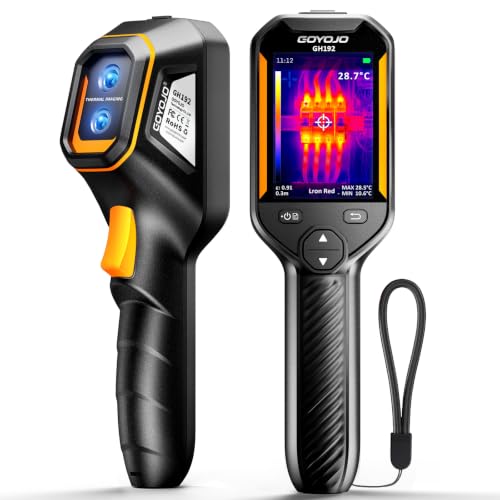
- 240x240 thermal and 2MP visual cameras
- High/low alarms with hotspot tracking
- 8-hour runtime and 6.6-foot drop resistance
Best For: Mobile troubleshooting with automatic temperature alerts
Best Overall

- -4°F to 1022°F range with ±3.6°F accuracy
- Enhanced 512×384 imaging and multiple measurement points
- Wi-Fi, PC reporting, 10.5-hour battery, and rugged protection
Best For: Professional mechanics needing a versatile standalone imager
Best Mobile Option
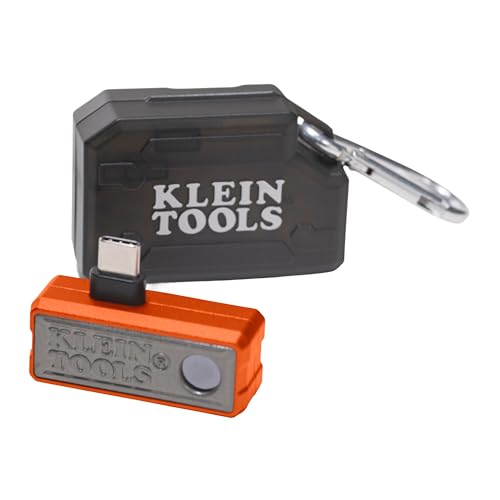
- Compact USB-C camera for iOS and Android devices
- 19,200-pixel imaging with spot and differential readings
- Captures images, video, and time-lapse documentation
Best For: Mechanics who prioritize phone-based portability
Best for Vehicle Maintenance

- 260×260 TISR imaging with a 50°×50° field of view
- Temperature alarms and automatic hot, cold, and center readings
- 8-hour battery, 20,000-plus image/video storage, and IP54 protection
Best For: Vehicle inspections needing wide-area scans and alerts
Compact Precision Pick

- 19,200-plus pixels for detailed thermal views
- Adjustable emissivity and temperature alarms
- Rechargeable, compact design with USB-C storage
Best For: Portable automotive troubleshooting and quick heat-spot checks
Advanced Inspection Choice

- TISR-enhanced 240×180 thermal resolution
- Windows analysis and automatic report generation
- 8GB storage, laser targeting, and LED light
Best For: Professional inspections that require detailed analysis and documentation
Long-Running Pocket Option

- 240×240 TISR-enhanced thermal imagery
- Up to 15 hours of battery runtime
- IP54 and 2-meter drop resistance
Best For: Extended portable inspections and everyday mechanical diagnostics
Rugged Shop Pick – FLIR TG165-X
For professional mechanics seeking automotive thermal imagers, the FLIR TG165-X is a straightforward option for locating temperature differences around engines, brakes, and other components. Its Bullseye laser helps identify the measurement area, while MSX imaging adds visual detail to the thermal view.
Best For: Mechanics who want a compact, durable thermal camera for routine temperature checks in dusty or oily shop environments.
Pros:
- Measures from -25°C to 300°C (-13°F to 572°F).
- MSX technology sharpens thermal images with visual details.
- IP54 enclosure and drop-tested construction suit field work.
- Includes a rechargeable battery, USB-C cable, and carry pouch.
Cons:
- Its 4,800-pixel infrared camera is less detailed than the higher-resolution models here.
- Temperature response time is listed as 3 seconds.
The TG165-X emphasizes simplicity and durability rather than advanced connectivity or extensive analysis features. Its generous warranty coverage and laser-guided readings make it a practical shop tool for basic automotive troubleshooting.
High-Detail Diagnostic Pick – HSFTOOLS F2VW
The HSFTOOLS F2VW stands out among automotive thermal imagers for professional mechanics who need more visual context during diagnostics. Its visual camera, fusion modes, 25 Hz refresh rate, and enhanced 640×480 imaging help make heat patterns easier to interpret.
Best For: Mechanics who document complex inspections and want wireless image sharing, broad temperature coverage, and multiple viewing modes.
Pros:
- 256×192 detector output is enhanced to a stated 640×480 imaging resolution.
- Combines thermal, visual, fusion, and picture-in-picture modes.
- Measures from -4°F to 1022°F with high, low, center, and custom points.
- Wi-Fi supports image access and sharing to a smartphone or tablet.
Cons:
- At about 2.01 pounds, it is heavier than the compact FLIR option.
- AI scene detection and super-resolution processing may be more than needed for basic checks.
With adjustable emissivity, distance settings, alarms, and a built-in LED flashlight, the F2VW is designed for versatile inspection work. It is especially appealing when clear documentation and anomaly recognition matter as much as taking a temperature reading.
Documentation-Friendly Pick – TOPDON TC004
For professional mechanics comparing automotive thermal imagers, the TOPDON TC004 combines a large screen, laser targeting, onboard storage, and wireless reporting. Its temperature range and image enhancement are useful for investigating hot spots across automotive systems.
Best For: Shops that need to capture, store, and transfer many inspection images during a workday.
Pros:
- 3.5-inch display provides a more comfortable view of thermal differences.
- 256×192 infrared resolution is enhanced up to 512×384 with TISR.
- 64GB of storage accommodates thousands of images and videos.
- IP54 protection, 2-meter drop resistance, laser pointer, and LED light support field use.
Cons:
- At about 2.11 pounds, it is not the lightest handheld option.
- The supplied notes do not specify a numeric temperature accuracy figure.
The TC004 is a strong fit when inspection records and reporting are central to the workflow. Wi-Fi connectivity and generous storage reduce the friction of collecting evidence across repeated mechanical inspections.
Portable Alarm Pick – GH192 Thermal Imaging Camera
The GH192 is a practical choice among automotive thermal imagers for professional mechanics who want automatic hotspot tracking and visible-light context. Its 240×240 thermal resolution, 2MP visual camera, and 25 Hz refresh rate support quick checks of mechanical, electrical, and HVAC systems.
Best For: Mobile mechanics who need temperature alarms, dual-camera views, and long runtime in a compact field tool.
Pros:
- Measures from -4°F to 1022°F with center, minimum, and maximum tracking.
- High- and low-temperature alarms help flag abnormalities.
- Offers thermal, fusion, and conventional-light modes with six palettes.
- Provides stated 8-hour runtime, USB-C charging, IP54 protection, and 6.6-foot drop resistance.
Cons:
- Its 2.8-inch display is smaller than the TOPDON TC004’s screen.
- Image export requires enabling “File Transfer” in settings.
- The supplied notes specify USB connectivity but not wireless transfer.
The GH192 focuses on fast, portable troubleshooting rather than extensive storage or wireless reporting. Automatic tracking, adjustable emissivity, and alarms make it useful when a mechanic needs to spot abnormal temperatures quickly and keep working.
Best Overall – Thermal Master Thor002
For professional mechanics comparing automotive thermal imagers for professional mechanics, the Thermal Master Thor002 is a versatile handheld option with a broad temperature range, enhanced thermal resolution, and several viewing modes. Its measurement tools, rugged case, and PC reporting support make it practical for diagnosing vehicle-related heat anomalies and documenting findings.
Best For: Professional mechanics who want a standalone thermal camera for detailed inspections, reporting, and extended field use.
Pros:
- Measures from -4°F to 1022°F with ±3.6°F accuracy, adjustable emissivity, and six measurement points.
- X³ processing enhances 256×192 thermal data to 512×384, with 40mK sensitivity and a 25Hz frame rate.
- Offers IR, visible, fusion, PIP, and Pro-Mix modes, plus an 8× digital zoom and laser pointer.
- Includes Wi-Fi connectivity, PC analysis software, 32GB storage, a 10.5-hour battery, IP54 protection, and a 2-meter drop rating.
Cons:
- Its fixed-focus design and handheld form may be more equipment than needed for occasional checks.
- PC analysis and reporting features may add workflow complexity compared with a simple plug-in camera.
The Thor002 is the strongest all-around choice here for mechanics who need broad temperature coverage and professional documentation features. It is especially appealing for shops handling varied diagnostic work rather than only quick spot checks.
Best Mobile Option – Klein Tools TI223
The Klein Tools TI223 takes a compact approach to automotive thermal imagers for professional mechanics by connecting to compatible iOS and Android devices through USB-C. Its 19,200-pixel imaging, temperature readouts, and image and video capture make it convenient for technicians who already use a phone or tablet during inspections.
Best For: Mechanics who prefer a lightweight, phone-connected thermal camera for portable troubleshooting and documentation.
Pros:
- Compact 1.12-ounce design works with iOS and Android devices and accommodates phone cases up to 1/5-inch thick.
- 19,200-pixel thermal imaging helps identify hot and cold spots in vehicle-related troubleshooting.
- Displays spot, high/low, and differential temperatures through multiple measurement modes.
- Captures thermal images, video, and time-lapse video for sharing and reporting.
Cons:
- Its -4°F to 752°F range is narrower than the range offered by some standalone handheld models.
- Requires a compatible iOS or Android device rather than operating as a self-contained camera.
- Provides three color palettes, fewer than the other supplied options.
The TI223 is a practical pick when portability and phone integration matter most. It trades standalone-camera features for a very small form factor that can be easy to keep in a diagnostic kit.
Best for Vehicle Maintenance – FOXWELL HT280 Thermal Camera
The FOXWELL HT280 is a capable choice among automotive thermal imagers for professional mechanics, combining a handheld 2.8-inch display with a wide field of view and temperature alarms. Its vehicle-maintenance positioning, internal storage, and Windows PC analysis tools suit technicians who need to scan larger areas and review captured results later.
Best For: Vehicle maintenance inspections requiring broad-area scanning, configurable alerts, and Windows-based analysis.
Pros:
- Measures 14°F to 932°F with ±3.6°F or ±2% accuracy and supports adjustable emissivity and distance settings.
- 260×260 TISR-enhanced imaging, 50mK sensitivity, and a 25Hz frame rate provide detailed, smooth thermal views.
- Temperature alarms can flag abnormal high or low readings, while automatic hot, cold, and center readings speed scanning.
- Stores more than 20,000 images or video, offers nine palettes, an 8-hour runtime, and IP54 protection with a 6.6-foot drop rating.
Cons:
- PC analysis software is compatible with Windows but not Mac.
- Its 8-hour runtime is shorter than the Thor002’s stated 10.5-hour runtime.
- At 2.8 inches, the display is smaller than the Thor002’s 3.5-inch screen.
The HT280 stands out for mechanics who value alerts and wide-area coverage during vehicle checks. Its Windows reporting workflow is useful for shops already set up for PC-based analysis, but Mac users should account for the compatibility limitation.
Compact Precision Pick – Klein Tools TI250
For automotive thermal imagers for professional mechanics, the Klein Tools TI250 is a compact option for locating hot and cold spots during troubleshooting. Its adjustable emissivity, temperature alarms, crosshairs, and 19,200-plus-pixel display support more controlled readings across different surfaces.
Best For: Mechanics who want a lightweight, rechargeable imager for quick diagnostic checks and portable use.
Pros:
- Over 19,200 pixels for detailed thermal inspection.
- Adjustable emissivity from 0.01 to 0.99 helps accommodate different materials.
- High- and low-temperature alarms cover -4°F to 752°F.
- Built-in rechargeable battery, USB-C image transfer, and carrying case are included.
Cons:
- The battery is built in and non-removable.
- It offers three color palettes, fewer than some competing models.
- Warranty details require contacting the vendor.
The TI250 emphasizes portability and straightforward heat-spot identification rather than advanced computer analysis. It is a practical fit for mechanics who value adjustable readings and a compact kit for routine inspections.
Advanced Inspection Choice – FOXWELL RT280 Thermal Camera
Among automotive thermal imagers for professional mechanics, the FOXWELL RT280 stands out for its larger thermal display, enhanced TISR resolution, and PC analysis tools. It is designed to make mechanical and engine inspections easier to document and review.
Best For: Professional users who need detailed inspections, extensive onboard storage, and Windows-based reporting capabilities.
Pros:
- TISR enhances thermal image resolution from 120×90 to 240×180 on a 320×240 display.
- Temperature measurement spans -4°F to 1,022°F with automatic high, low, and center-point detection.
- Windows software supports point, line, and area analysis, 2D/3D views, and report generation.
- 8GB eMMC storage holds more than 20,000 images and videos.
Cons:
- The analysis software is not compatible with Mac.
- Its feature-rich inspection system may be more than needed for basic spot checks.
- The supplied details list conflicting screen-size information, so buyers should verify the display specification.
The RT280 is the strongest documentation-oriented option in this group. Its broad temperature range, rugged housing, laser, LED light, and PC workflow make it well suited to repeatable professional diagnostics.
Long-Running Pocket Option – TOPDON TC004 Mini
The TOPDON TC004 Mini is a practical choice among automotive thermal imagers for professional mechanics who want a small, durable tool with long battery life. TISR enhancement, temperature alerts, automatic photo capture, and a wide measurement range support everyday diagnostic work.
Best For: Mechanics needing a portable imager for extended inspections, machinery checks, and general automotive troubleshooting.
Pros:
- TISR boosts the starting 128×128 image to 240×240 resolution.
- Measures from -4°F to 842°F with stated accuracy within ±3.6°F/2%.
- Up to 15 hours of runtime and automatic shut-off options reduce charging interruptions.
- IP54 protection and 2-meter drop resistance support field use.
Cons:
- Its 512MB storage holds up to 8,000 photos, less than the FOXWELL RT280.
- The package includes a charging cable but no charging head.
- The manual is electronic rather than printed.
The TC004 Mini balances portability, endurance, and useful diagnostic automation. It is especially appealing when long runtime and a pocket-friendly form matter more than PC-based reporting.
How We Picked the Best Automotive Thermal Imagers for Professional Mechanics
We focused on features that matter during real automotive troubleshooting: thermal resolution, measurement range, image refresh behavior, visual-camera or fusion capability, temperature alarms, screen usability, power options, and portability. A higher pixel count can reveal smaller hot spots, while a broad temperature range is useful for exhaust, turbocharger, HVAC, cooling-system, and electrical work.
We also considered whether each camera is practical for repeated shop use. Handheld models with built-in screens can be faster during inspections, while mobile units may suit technicians who prefer storing or sharing images on a phone or tablet. Claimed specifications can vary by configuration, so verify the current listing before purchase.
Quick Comparison
| What to Compare | Best For | Why It Matters |
|---|---|---|
| Thermal resolution | Small faults and detailed scans | More pixels make hot and cold areas easier to distinguish. |
| Temperature range | Exhaust, engine, and electrical work | A wider range reduces the chance of exceeding the camera’s limits. |
| Visual camera and fusion | Documentation and precise targeting | Blending thermal and visible images helps identify the exact component. |
| Display and controls | Fast shop-floor diagnosis | Built-in screens and simple controls minimize setup time. |
| Mobile connectivity | Reports and team collaboration | Phone-based tools can simplify saving and sharing evidence. |
Key Buying Factors for Automotive Thermal Imagers for Professional Mechanics
Resolution and Measurement Accuracy
Choose enough thermal detail for the jobs you perform. Basic cooling-system checks may not require the same resolution as circuit-board, connector, or individual-cylinder diagnosis. Look for adjustable emissivity, center-spot measurement, and defined high- and low-temperature markers when accuracy matters.
Temperature Range and Automotive Usefulness
Confirm that the rated range covers your intended work, particularly around exhaust manifolds, catalytic converters, turbochargers, and forced-induction plumbing. For everyday engine-bay and electrical inspections, measurement controls and consistent readings can be more valuable than an extreme maximum alone.
Imaging Modes, Alarms, and Documentation
Fusion modes, multiple color palettes, visual cameras, and temperature alarms can speed up interpretation. A visual reference is especially useful when saving images for customers or attaching findings to a repair order.
Ergonomics, Battery Life, and Durability
Inspectors who carry a camera all day should prioritize a comfortable grip, fast startup, clear controls, and dependable rechargeable power. Consider whether the unit can be used with gloves and whether its housing is suitable for a busy garage environment.
Who Should Buy Which Automotive Thermal Imagers for Professional Mechanics?
Choose a compact or mobile thermal imager if you want occasional inspections, easy storage, or phone-based sharing. A handheld model with an integrated display is usually better for technicians who need immediate readings without relying on a separate device. Higher-resolution cameras are the stronger choice for pinpointing small electrical hot spots, comparing neighboring components, or creating clearer diagnostic records. If your work spans engine, exhaust, HVAC, and electrical systems, prioritize a broad temperature range, adjustable emissivity, alarm functions, and image-fusion tools rather than selecting on price alone.
