

10 Best Compact EV Diagnostic Scanners for 2026: Smart Picks for Electric Vehicle Troubleshooting

Choosing the right scan tool can save time, money, and a lot of guesswork when an EV warning light appears. The best compact EV diagnostic scanners balance portability, coverage, and ease of use without sacrificing the features that matter most.
This roundup focuses on tools for electric vehicles and everyday OBD2 diagnostics, so you can compare advanced shop-grade options, wireless app-based readers, and simple code scanners in one place.
Best 10 Compact EV Diagnostic Scanners Picks for 2026
Compact EV diagnostic scanner pick
Bidirectional EV scanner with 43+ services

- 120+ brand support with CANFD/DoIP and FCA AutoAuth
- 3000+ active tests and bidirectional control
- 43+ service functions plus ECU coding
Best For: Technicians and advanced DIY users needing broad EV diagnostic coverage
Pocket Bluetooth scanner choice
Bluetooth scan tool for phone, tablet, or PC

- Works with iPhone, Android, and Windows devices
- Recommended for popular apps like FORScan and BimmerCode
- OEM support for Ford, GM, Toyota, Honda, Kia, and more
Best For: Users who prefer app-based diagnostics in a small Bluetooth form factor
Premium EV tablet pick
High-end EV diagnostic tablet with battery analysis

- EV, hybrid, and gas coverage with HV system diagnostics
- Offline battery pack analysis with SoC and SoH data
- 3000+ active tests and 5-in-1 VCMI tools
Best For: Professional shops needing deep EV battery and high-voltage diagnostics
Budget core-system scanner
Affordable scanner for ABS, SRS, engine, and transmission

- Out-of-the-box setup with latest software
- Reads ABS, SRS, engine, and transmission faults
- AUTOVIN support for 60+ brands
Best For: Budget-minded car owners checking common warning lights
Premium Shop-Grade Pick
Autel MaxiCOM Ultra Lite with MV108S

- Includes MV108S inspection camera
- 3000+ active tests and topology mapping
- 40+ service functions with J2534 support
Best For: Technicians and advanced DIY users
Best App-Based Daily Driver
BlueDriver Pro Next-Gen Bluetooth Scanner
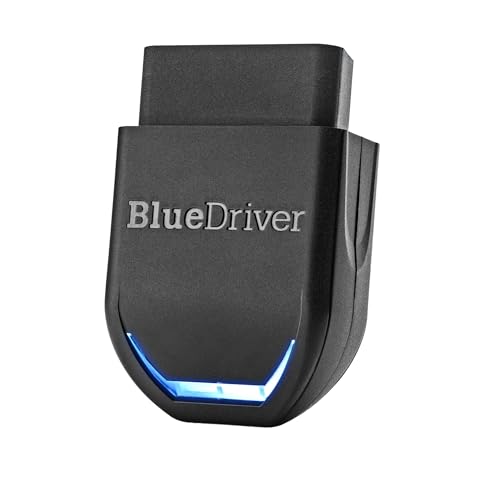
- Enhanced diagnostics for ABS, SRS, TPMS, and more
- Technician-verified repair reports matched to VIN
- No subscription fees and free app updates
Best For: Drivers who want wireless everyday diagnostics
Budget Wireless Code Reader

- Compact Bluetooth LE adapter for iOS and Android
- Generic OBD-II code reading and live data
- Works with several third-party apps
Best For: Budget-conscious owners who need basic app-based scanning
Compact All-in-One Scanner
Innova 5210 OBD2 Scanner & Battery Tester

- Reads/clears engine codes with live data
- Adds battery testing and oil reset support
- Free app offers verified fixes and guidance
Best For: DIY drivers wanting a compact scanner with battery testing and maintenance features
Wireless App Adapter
Veepeak OBDCheck BLE+ Bluetooth OBD-II Scanner

- Bluetooth LE adapter for iOS and Android
- Reads codes, freeze frame, readiness, and live data
- Works with popular third-party diagnostic apps
Best For: Phone-based users who want a tiny Bluetooth adapter for basic OBD-II diagnostics
Budget Handheld Reader
MOTOPOWER MP69033 Compact OBD2 Scanner

- Reads/clears engine codes with DTC lookup
- Shows live data and readiness info
- Small handheld design with built-in LCD
Best For: Budget shoppers who need a simple handheld scanner for basic OBD2 checks
Compact EV diagnostic scanner pick – Bidirectional EV scanner with 43+ services
If you want a compact EV diagnostic scanner with advanced shop-level functions, the LAUNCH X431 CRP919 EV is built for broad coverage and fast workflows. It combines full-system diagnostics, bidirectional control, ECU coding, and 43+ reset services in one Android-based tool, making it a strong fit for newer EVs and new-energy vehicles.
Best For: Technicians and serious DIYers who want a compact, full-featured EV scanner with coding, active tests, and wide brand support.
Pros:
- Supports 120+ brands with CANFD, DoIP, and FCA AutoAuth coverage.
- Offers 3000+ active tests plus bidirectional control for actuators like lights, windows, and pumps.
- Includes 43+ hot service functions, such as oil reset, EPB, TPMS, SAS, BMS, and ABS bleeding.
- OE-level all-system diagnostics with live data, record/playback, and ECU coding/adaptation.
Cons:
- Some CANFD/DoIP coverage requires an optional adapter.
- Best value comes from users who will actually use advanced functions like coding and active tests.
Overall, this is one of the most capable compact EV diagnostic scanners in the group if you need more than basic code reading. Its mix of fast hardware, broad protocol support, and advanced service features makes it especially appealing for multi-brand repair work.
Pocket Bluetooth scanner choice – Bluetooth scan tool for phone, tablet, or PC
If you want a compact EV diagnostic scanner that lives in your pocket and works through your phone or computer, the OBDLink MX+ is a practical choice. It turns an iPhone, Android device, or Windows PC into a professional-grade diagnostic scan tool and adds support for popular apps like FORScan, Torque, BimmerCode, and more.
Best For: Drivers and home mechanics who want a small Bluetooth scanner for app-based diagnostics and live data.
Pros:
- Works with iPhone, Android, and Windows devices.
- Recommended adapter for popular app ecosystems including FORScan, Torque, BimmerCode, Dashcommand, and Carista.
- Enhanced OEM support for Ford, GM, Mazda, Nissan/Infiniti, Toyota/Lexus/Scion, Honda, Hyundai, and Kia.
- Includes over-voltage and battery drain protection plus firmware updates.
Cons:
- Compatibility and feature access depend on the vehicle; the guide should be checked before buying.
- It is an adapter-based tool, so it relies on a separate phone, tablet, or PC for use.
This is a compact, app-driven scanner rather than a large standalone tablet, so it suits users who want portability and flexible software options. It is especially appealing if you already use vehicle-specific apps and want a reliable Bluetooth interface.
Premium EV tablet pick – High-end EV diagnostic tablet with battery analysis
For buyers comparing compact EV diagnostic scanners with premium EV capability, the Autel MaxiSYS Ultra EV is a higher-end option built for electric, hybrid, and gas vehicles. It adds battery pack analysis and HV system diagnostics to the Ultra platform, while also bringing advanced hardware and software features aimed at professional repair environments.
Best For: Professional technicians who need deep EV battery analysis and advanced factory-level diagnostic features.
Pros:
- Designed for EV, hybrid, and gas diagnostics with battery pack analysis and HV system support.
- Includes offline battery pack analysis with SoC, SoH, voltage, temperature, and module-level detail.
- Comes with 3000+ active tests, 40+ services, topology 2.0, and live data fusion.
- 5-in-1 VCMI adds oscilloscope, waveform generator, multimeter, and CAN bus checks.
Cons:
- Positioned as a high-end professional tool, so it is more than most casual users need.
- Some repair information access is tied to the optional paid Motor TruSpeed function.
This is a powerful choice if your work depends on EV-specific diagnostics and battery inspection, not just basic code reading. It stands out for its detailed HV system workflow and professional-grade test and repair support.
Budget core-system scanner – Affordable scanner for ABS, SRS, engine, and transmission
If you need a compact EV diagnostic scanner mainly for common core systems, the FOXWELL NT604 Elite keeps things simple and affordable. It is designed for checking ABS, SRS, engine, and transmission faults, with out-of-the-box setup and a straightforward interface for basic vehicle health checks.
Best For: Car owners who want an easy, affordable scanner for common warning lights and core-system diagnostics.
Pros:
- Ready to use out of the box with latest software preloaded.
- Covers ABS, SRS, engine, and transmission systems.
- Includes live data, DTC library, data playback, and print functions.
- Supports AUTOVIN and 60+ car brands without extra software fees.
Cons:
- Does not include maintenance functions like oil reset, battery registration, or relearn procedures.
- SRS coverage is limited to common fault codes and cannot clear crash/collision data.
This model is best viewed as a practical health monitor rather than a full-service repair tool. It makes sense for shoppers who want a low-cost, easy scanner for reading and clearing common fault codes on supported vehicles.
Premium Shop-Grade Pick – Autel MaxiCOM Ultra Lite with MV108S
If you want one of the most capable compact EV diagnostic scanners for advanced work, the Autel MaxiCOM Ultra Lite leans hard into pro-level coverage and service functions. It adds a digital inspection camera, broad protocol support, and long update support, making it a strong fit for serious diagnostics rather than basic code clearing.
Best For: Technicians and advanced DIY users who want dealer-level diagnostics, bidirectional functions, and broad vehicle coverage.
Pros:
- Includes MV108S digital inspection camera for visual diagnostics.
- Supports 40+ maintenance and service functions, including Oil Reset, EPB, BMS, SAS, TPMS, and injector coding.
- Offers 3000+ active tests, topology mapping, DTC analysis, and repair assistance.
- Supports J2534 PassThru, DoIP/CAN FD, FCA SGW, and 150+ makes.
Cons:
- Its advanced capabilities are more than many casual users need.
- Premium hardware and features make it a heavier investment than simpler scanners.
This is a serious all-in-one diagnostic platform built for users who want deep access, not just basic fault-code reads. If your shop or garage needs maximum coverage and service capability, it stands out immediately.
Best App-Based Daily Driver – BlueDriver Pro Next-Gen Bluetooth Scanner
BlueDriver is a practical choice if you want compact EV diagnostic scanners that turn your phone into a capable diagnosis tool without extra subscriptions. It goes beyond basic code readers with enhanced coverage for key systems, verified repair reports, and live data, while staying simple to carry and use.
Best For: Drivers who want a wireless scanner for everyday troubleshooting, used-car checks, and no-fuss app-based diagnostics.
Pros:
- Reads and clears enhanced codes for ABS, SRS, TPMS, transmission, and check engine lights on supported vehicles.
- Includes technician-verified repair reports matched to your VIN.
- No subscription fees, no add-ons, and free app updates included.
- Wireless Bluetooth design keeps setup simple with no bulky cables.
Cons:
- Works through a phone or tablet app rather than as a standalone handheld unit.
- Coverage for newer model-specific features depends on vehicle compatibility.
BlueDriver hits a useful middle ground: more capable than a basic code reader, but easier to live with than a full shop scanner. For everyday diagnostics and confident troubleshooting, it is a very strong value.
Budget Wireless Code Reader – Veepeak OBDCheck BLE
The Veepeak OBDCheck BLE is a compact option for drivers who mainly need basic OBD-II access from a phone app. As one of the simpler compact EV diagnostic scanners, it focuses on check-engine basics, live data, and app flexibility rather than advanced service functions.
Best For: Budget-conscious owners who want a small Bluetooth adapter for generic OBD-II scanning with compatible apps.
Pros:
- Supports generic OBD-II functions like reading and clearing codes, freeze-frame data, I/M readiness, and live sensor data.
- Works with iOS and Android through Bluetooth LE.
- Compatible with several third-party apps, including Car Scanner, Torque, and OBD Fusion.
- Very compact and portable, with a carrying case included.
Cons:
- Requires a separate compatible app to operate.
- Does not support many special functions such as ABS bleeding, oil resets, or injector coding.
- Advanced diagnostics are app-dependent and not broadly included.
If you only need a small wireless adapter for basic troubleshooting, this is an easy entry point. It is best viewed as a lightweight code reader, not a full-featured diagnostic tablet.
Compact All-in-One Scanner – Innova 5210 OBD2 Scanner & Battery Tester
If you want one of the more practical compact EV diagnostic scanners for general vehicle checks, the Innova 5210 is a solid all-around option. It handles basic engine code reading and clearing, adds battery testing, and gives live data plus oil reset support, all without requiring a subscription.
Best For: DIY drivers who want a compact code reader with battery testing, live data, and maintenance reset support.
Pros:
- Reads and clears check engine light codes, with ABS coverage available on some vehicles.
- Includes a battery tester to help check alternator health and catch issues early.
- Shows live data like RPM, fuel trims, coolant temp, and oxygen sensor readings.
- Supports oil reset and I/M readiness checks for maintenance and smog prep.
Cons:
- Feature coverage can vary by make, model, and year, so compatibility checks matter.
- ABS coverage is not universal.
- Advanced repair guidance depends on the companion app and vehicle fit.
Overall, the 5210 stands out when you want a compact scanner that does more than just read codes. It is a sensible pick for routine diagnostics, battery checks, and basic maintenance tasks in one handheld tool.
Wireless App Adapter – Veepeak OBDCheck BLE+ Bluetooth OBD-II Scanner
The Veepeak OBDCheck BLE+ is a compact EV diagnostic scanner choice if you prefer app-based diagnostics over an all-in-one handheld display. It focuses on standard OBD-II functions, then relies on a compatible third-party app for the live data and vehicle-specific features your car and app support.
Best For: App-based users who want a tiny Bluetooth OBD adapter for basic diagnostics and supported advanced app features.
Pros:
- Bluetooth LE support works with iOS and Android through compatible apps.
- Reads and clears trouble codes, plus freeze frame, I/M readiness, and live sensor data.
- Very small and lightweight, making it easy to leave plugged in or carry around.
- Compatible with popular apps like Car Scanner, Torque, OBD Fusion, and several vehicle-specific apps.
Cons:
- Requires a third-party app to operate.
- Special functions like oil reset, ABS bleeding, and injector coding are not supported by the device itself.
- Advanced diagnostics and some app features may require extra purchases or specific vehicle support.
This model makes sense if you are comfortable using your phone as the interface and only need a compact adapter for standard diagnostics. Its strength is flexibility through apps, not standalone tools or built-in special functions.
Budget Handheld Reader – MOTOPOWER MP69033 Compact OBD2 Scanner
The MOTOPOWER MP69033 is a straightforward compact EV diagnostic scanner for drivers who want a simple handheld tool without extra complexity. It covers core OBD2 checks like reading and clearing engine codes, live data, and readiness info, all on a small built-in screen.
Best For: Drivers who want a low-cost handheld scanner for basic engine diagnostics and live data.
Pros:
- Reads and clears engine codes with a built-in DTC lookup library.
- Displays live data, freeze frame, I/M readiness, and vehicle information.
- Compact handheld design with a 2.8-inch LCD screen and direct vehicle power.
- Supports multiple OBD2 protocols and includes quick VIN and code query buttons.
Cons:
- Does not support ABS, airbag, or oil service light systems.
- Live data requires the engine to be running.
- It is limited to OBDII functions rather than broader system diagnostics.
If you just need a dependable handheld scanner for check engine light troubleshooting, this one keeps things simple. It is a practical choice for basic diagnostics and quick code checks, especially at the budget end of the category.
How We Picked the Best Compact EV Diagnostic Scanners
We prioritized Compact EV Diagnostic Scanners that offer strong diagnostic coverage, practical portability, and clear value for the buyer. That means looking at EV-specific support, system coverage, bidirectional or bi-directional features where applicable, live data access, reset functions, app compatibility, and whether the tool suits home use or professional service.
Quick Comparison
The tools in this roundup fall into three broad groups: EV-focused advanced scanners for deeper system access, Bluetooth OBD2 scanners for app-based everyday diagnostics, and basic code readers for quick check-engine troubleshooting. The right choice depends on how often you diagnose problems, whether you work on electric vehicles specifically, and how much detail you need.
Key Buying Factors for Compact EV Diagnostic Scanners
EV Coverage and System Access
If you need to service electric vehicles, confirm that the scanner supports EV-specific systems rather than just generic OBD2 fault codes. Look for coverage of battery systems, charging components, inverter-related data, and full-system diagnostics when available.
Portability and Workflow
Compact form factor matters when you want a scanner that is easy to store, carry, and use in tight spaces. Wireless models reduce cable clutter, while handheld units can be better for fast standalone checks and shop use.
Diagnostic Depth
Basic code reading is useful, but more serious troubleshooting benefits from live data, freeze frame information, service resets, and bidirectional control. For advanced users, these features can make Compact EV Diagnostic Scanners far more useful than simple readers.
App Support and Compatibility
Many compact scanners rely on phone or tablet apps, so check iOS, Android, and Windows support before buying. Also consider whether the software requires a subscription, and whether updates are included.
Who Should Buy Which Compact EV Diagnostic Scanners?
Choose an advanced EV diagnostic scanner if you work on electric vehicles regularly or need deeper system access for complex repairs. Pick a Bluetooth scanner if you want a compact everyday tool for code reading, live data, and easy mobile use. Go with a basic reader if your main goal is fast, inexpensive check-engine diagnostics and occasional maintenance checks.
For most buyers, the best choice is the scanner that matches your vehicle type, your comfort with diagnostic software, and the level of detail you actually need. Paying for advanced features you will not use is rarely worth it, but underbuying can leave you without the data needed to solve the problem.
