

10 Best Professional Wheel Balancers for Accurate Shop and Garage Service in 2026

Choosing the right wheel balancer can improve ride quality, reduce tire wear, and help a busy shop complete service more consistently. The options in this roundup range from powered shop equipment to portable bubble balancers for cars, trucks, and motorcycles.
Use the guide below to compare balancing methods, wheel compatibility, portability, and the features that matter most before buying.
Best 10 Professional Wheel Balancers Picks for 2026
Combo Shop Starter
XK Tire Changer and Wheel Balancer

- Combined tire changer and balancer
- Multiple balancing modes
- Up to 155-pound wheel capacity
Best For: Small tire shops needing a combined service setup
Large-Wheel Specialist

- Extended shaft for larger rims
- Supports specialized balancing modes
- Copper-wound motor design
Best For: Shops servicing wide, large, or custom wheels
Versatile Manual Balancer
Motool KT-710G Professional Balancer

- 1-gram balancing accuracy
- 10- to 24-inch rim range
- Supports motorcycle and racing tires
Best For: Mixed-service tire workshops needing flexible rim coverage
Best Motorcycle Pick
Tanfix Motorcycle Wheel Balancer

- Supports static and dynamic balancing
- Adjustable cones for wheel positioning
- Compact steel frame for garage use
Best For: Motorcycle owners, DIY riders, and repair shops
Best Portable Car Pick
SIXIWANZI Bubble Wheel Balancer
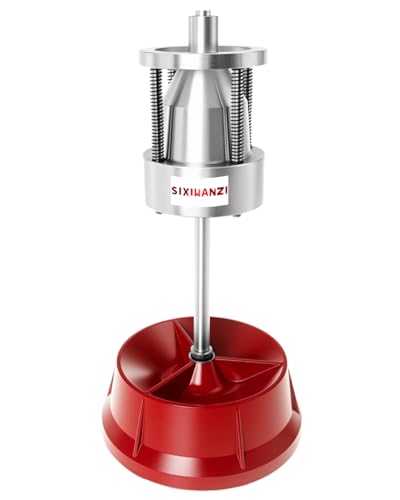
- Portable design for easy transport
- Bull's-eye level for static balancing
- Fits 1-1/2- to 4-inch hubs
Best For: Cars and light trucks in home garages or shops
Portable Heavy-Duty Pick

- Aluminum alloy, rust-resistant construction
- Compact design weighs about 11 pounds
- Works with most cars and light trucks
Best For: Portable manual balancing at home or on the go
Versatile Hub-Range Pick
Punmew Portable Bubble Balancer
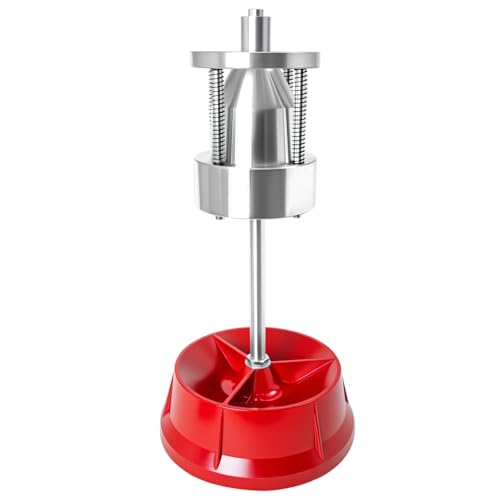
- Fits hubs from 1-1/2 to 4 inches
- Precision-machined for cars and light trucks
- Portable aluminum alloy construction
Best For: Users needing broader hub compatibility
Simple Self-Aligning Pick

- Spring-loaded cone supports self-aligning
- Fits 1-1/2- to 4-inch hubs
- Rust-resistant enamel-finished base
Best For: DIY car and light-truck balancing
Combo Shop Starter – XK Tire Changer and Wheel Balancer
For shops seeking professional wheel balancers alongside tire-changing capability, this XK combo provides a broad equipment setup in one package. The 690 balancer offers dynamic, static, ALU, and motorcycle modes, while the 580 changer handles a range of common rim and tire sizes.
Best For: Small tire shops that need both tire-changing and wheel-balancing equipment.
Pros:
- Combines a tire changer and wheel balancer in one package.
- Balancer supports dynamic, static, ALU 1–3, and motorcycle modes.
- Lists balancing accuracy of -1g to +1g and a 6–9 second cycle time.
- Includes three centering cones, a quick-release wing nut, and clamp protectors.
Cons:
- The 780-pound shipping weight makes this a substantial installation.
- The package does not include the motorcycle adapter shown in the picture.
- The tire changer is specified for 110V only.
This is a practical all-in-one option when a shop needs core tire service functions rather than a standalone balancer. Verify available floor space, power, and the included accessories before ordering.
Portable Bubble Balancer – Weyleity Heavy-Duty Hub Model
This portable bubble balancer is a compact choice for basic wheel service. Its aluminum-alloy construction, built-in bubble level, and broad hub-diameter range make it a convenient alternative for garages and professional settings that value portability.
Best For: DIY garages, mobile service, and shops handling compatible cars and light trucks.
Pros:
- Compact design measures 24 inches high and 11.5 inches in diameter.
- Accommodates hub diameters from 1-1/2 to 4 inches.
- Includes a built-in bubble level for setup and balancing work.
- Aluminum-alloy construction and corrosion-resistant coated components are designed for durability.
Cons:
- As a bubble balancer, it lacks the electronic modes and cycle-time features of powered machines.
- Its stated application is limited to compatible automobiles and light trucks.
- Manual operation may be less efficient for high-volume professional work.
Choose this model when a lightweight, portable balancing solution matters more than automated shop throughput. Confirm hub compatibility and consider whether manual bubble balancing matches your workflow.
Large-Wheel Specialist – KATOOL ME 620 Wheel Balancer
The KATOOL ME 620 is aimed at shops that need a stable platform for larger rims and custom wheel setups. Its extended shaft, enhanced spindle design, copper-wound motor, and specialized balancing modes support a more versatile professional wheel balancer workflow.
Best For: Service shops balancing larger, wider, or non-standard wheel combinations.
Pros:
- Extended shaft and spindle provide a stable mounting platform for larger rims.
- Designed to handle wider wheels without requiring adapters in the stated use case.
- Copper-wound motor is engineered for thermal management and longevity.
- Multiple specialized modes accommodate different rim designs.
Cons:
- The supplied notes do not specify rim-size limits, accuracy, or cycle time.
- Its specialized design may be more equipment than a basic home garage requires.
- Adapter-free capability is described for wider wheels, but compatibility should still be verified.
This model stands out for wheel versatility and mounting stability rather than published numerical specifications. It is worth considering for a busy shop that regularly encounters larger or custom wheels, provided the machine’s dimensions and capabilities fit the intended service range.
Versatile Manual Balancer – Motool KT-710G Professional Balancer
Motool Technology Professional Auto Wheel Balancer Portable Car Tire Balancer for Tire Workshops
Check Price On AmazonThe Motool KT-710G offers 1-gram balancing accuracy with a 10- to 24-inch rim range. Its self-calibration system, ALU function, and support for motorcycle and racing tires give professional wheel balancers a flexible option for mixed tire service.
Best For: Tire workshops handling standard, motorcycle, racing, and specially shaped rims.
Pros:
- Lists balancing accuracy of 1 gram.
- Supports rim diameters from 10 to 24 inches.
- Self-calibration system adjusts within a wide range.
- ALU function supports various special-shaped rims, with motorcycle and racing-tire capability.
Cons:
- The supplied notes identify it as a manual wheel balancer.
- No cycle time, maximum wheel weight, or motor details are provided.
- Shipping is specified through FedEx or UPS, so delivery arrangements should be checked.
This is a flexible choice for workshops that value broad tire and rim coverage, especially when motorcycle or racing work is part of the workload. Confirm the operating setup and capacity details before committing to high-volume use.
Best Motorcycle Pick – Tanfix Motorcycle Wheel Balancer
For riders and mechanics comparing professional wheel balancers for motorcycle maintenance, the Tanfix stand supports both static and dynamic balancing. Its adjustable centering cones help position different wheel sizes, while the steel frame is suited to repeated garage or shop use.
Best For: Motorcycle owners, DIY enthusiasts, and repair shops servicing sport bikes, cruisers, touring motorcycles, and dirt bikes.
Pros:
- Supports static and dynamic motorcycle wheel balancing.
- Adjustable centering cones help maintain wheel alignment.
- Compact steel design is easy to assemble, operate, and store.
- Works with a wide range of motorcycle wheels.
Cons:
- Designed for motorcycle wheels rather than general car and truck applications.
- Manual balancing requires hands-on setup and adjustment.
The Tanfix is a practical choice when motorcycle-specific compatibility matters. Its compact construction and dual balancing capability make it suitable for routine wheel maintenance without requiring a large machine.
Best Portable Car Pick – SIXIWANZI Bubble Wheel Balancer
The SIXIWANZI is a portable option for shoppers seeking professional wheel balancers for cars and light trucks. Its bull’s-eye level supports straightforward static balancing, and the aluminum-alloy body with rust-resistant enamel is built for convenient transport and storage.
Best For: Home garages, automotive shops, and hobbyists balancing most car and light-truck wheels with 1-1/2- to 4-inch hubs.
Pros:
- Compact and lightweight for carrying and storage.
- Bull’s-eye level simplifies static wheel balancing.
- Accommodates hubs from 1-1/2 to 4 inches in diameter.
- Aluminum-alloy construction has a rust-resistant enamel finish.
Cons:
- Intended for static balancing rather than powered dynamic balancing.
- Application is focused on most cars and light trucks.
Choose the SIXIWANZI when portability and simple operation are priorities. It offers a practical manual setup for routine balancing tasks in locations where easy transport and storage are important.
Best Compact Value – Hkysnoa Portable Bubble Wheel Balancer
The Hkysnoa gives buyers a straightforward choice among professional wheel balancers for most automobiles and light trucks. Its portable base, bull’s-eye level, and support for 1-1/2- to 4-inch hubs make it suited to basic static balancing and tire-service work.
Best For: DIY users and automotive repair settings that need a lightweight, portable balancer for common car and light-truck wheels.
Pros:
- Portable design is convenient to carry and use.
- Bull’s-eye level helps with static tire balancing.
- Fits wheel hubs from 1-1/2 to 4 inches in diameter.
- Aluminum head and anti-rust enamel-finished base support repeated use.
Cons:
- Provides static balancing rather than powered dynamic balancing.
- Not presented as a solution for motorcycle or heavy-truck wheels.
The Hkysnoa is a sensible manual option for common automobile and light-truck applications. Its compact format favors occasional maintenance, mobile use, and straightforward tire-balancing tasks.
Portable Heavy-Duty Pick – ATPEAM Bubble Wheel Balancer
The ATPEAM Portable Bubble Wheel Balancer is a practical option for buyers seeking professional wheel balancers for automobiles and light trucks. Its precision-machined design, compact footprint, and straightforward assembly make it suitable for basic wheel-balancing work at home, in a garage, or away from the shop.
Best For: Car and light-truck owners who want a portable, manually operated balancer for occasional or mobile use.
Pros:
- Aluminum alloy base with an anti-rust enamel finish.
- Chrome-plated and blackened rods and springs are designed for long-term use.
- Compact, lightweight design weighs approximately 11 pounds.
- Simple assembly requires attaching the shaft and balancing cone set.
Cons:
- Manual bubble balancing requires hands-on setup and operation.
- Its listed application is primarily automobiles and light trucks.
With its durable finish and portable construction, this ATPEAM model is a sensible choice when storage space and transportability matter more than automated shop equipment.
Versatile Hub-Range Pick – Punmew Portable Bubble Balancer
The Punmew Portable Bubble Wheel Balancer stands out among professional wheel balancers for its broad stated hub compatibility and portable format. It is precision-machined for balancing most automobiles and light trucks, while its simple assembly helps keep setup uncomplicated.
Best For: Users who need a compact bubble balancer that accommodates hub diameters from 1-1/2 to 4 inches.
Pros:
- Accepts wheel hubs ranging from 1-1/2 to 4 inches in diameter.
- Aluminum alloy base has anti-rust enamel polishing.
- Chrome-plated and blackened rods and springs resist rust during extended use.
- Lightweight design weighs approximately 11 pounds for easier storage and carrying.
Cons:
- Bubble-level operation is manual rather than automated.
- Designed for most automobiles and light trucks, not a stated universal vehicle range.
The wide hub range gives this Punmew model useful flexibility, while its compact construction makes it a convenient choice for garages with limited room or outdoor jobs.
Simple Self-Aligning Pick – Lonshenno Red Bubble Balancer
The Lonshenno Portable Bubble Wheel Balancer is a straightforward choice for shoppers comparing professional wheel balancers for cars and light trucks. Its machined aluminum head, spring-loaded cone, and compact design support simple manual balancing without a complicated setup.
Best For: DIY users who prioritize simple operation and compatibility with common car and light-truck hubs.
Pros:
- Spring-loaded cone and machined aluminum head support self-aligning.
- Accepts hubs from 1-1/2 to 4 inches in diameter.
- Compact and lightweight design is suitable for most light trucks and automobiles.
- Rust-resistant enamel finish helps protect the base.
Cons:
- At approximately 12.05 pounds, it is slightly heavier than some comparable models listed here.
- Manual bubble balancing may be less convenient than powered equipment.
This red Lonshenno balancer focuses on ease of use and common hub coverage, making it a practical fit for basic balancing tasks where portability and uncomplicated operation are priorities.
How We Picked the Best Professional Wheel Balancers
We organized these Professional Wheel Balancers around the needs of tire shops, automotive repair facilities, mobile service operators, home garages, and motorcycle technicians. The comparison considers balancing method, portability, wheel and tire compatibility, operating environment, setup requirements, and the practical demands of repeated use.
Powered wheel balancers and combination tire-service machines are generally better suited to higher-volume work, while manual bubble balancers can offer a lower-cost and more portable approach. Because product specifications and included accessories can vary, verify the supported wheel dimensions, weight limits, power requirements, and available adapters before ordering.
Quick Comparison
- Best for high-volume shops: Choose a powered wheel balancer or tire changer-and-balancer combination with repeatable electronic measurements.
- Best for mobile service: Look for a portable unit that is easy to transport, stable during use, and compatible with your common wheel sizes.
- Best for budget-conscious users: Bubble balancers provide a simple static balancing method without requiring electrical power.
- Best for motorcycle work: Select a motorcycle-specific balancer or a model with suitable narrow-wheel supports and adapters.
- Best for mixed vehicle service: Prioritize heavy-duty hubs, adjustable supports, and compatibility with both passenger-car and light-truck wheels.
Key Buying Factors for Professional Wheel Balancers
Balancing Method
Electronic machines typically provide faster, more repeatable measurements and are preferable for professional workflows. Bubble balancers use a manual static method and can be useful for basic corrections, roadside work, or low-volume service, but they require careful leveling and operator judgment.
Wheel Compatibility and Capacity
Check the supported rim diameter, tire width, maximum wheel weight, center-hole range, and adapter availability. Heavy-duty hubs are valuable when servicing larger or commercial-style wheels. Motorcycle wheels often need dedicated supports or adapters to remain centered accurately.
Portability, Power, and Setup
Portable models are useful when workspace or electrical access is limited, but compact designs may sacrifice speed, automation, or capacity. Confirm whether a powered unit requires 110V service, how much floor space it needs, and whether leveling or calibration is required before use.
Accuracy and Repeatability
A stable base, properly centered wheel, calibrated measurement system, and correct mounting hardware all affect results. For shop use, favor equipment that makes repeated measurements straightforward and minimizes setup time between vehicles.
Who Should Buy Which Professional Wheel Balancers?
Professional tire shops should favor powered equipment with dependable measurement functions and broad wheel compatibility. Small repair shops and home garages may prefer a portable electronic balancer or a manual bubble model when service volume is limited. Mobile technicians should prioritize compact construction, no-power operation, and a stable bubble-level design. Motorcycle specialists should choose a unit designed for motorcycle wheels or confirm that the required adapters are included.
Before purchasing, compare the machine’s capacity with the wheels you service most often, then account for accessories, calibration, workspace, and warranty support. The best professional wheel balancer is the one that matches your workload and produces consistent results without adding unnecessary setup time.
