

10 Best Portable Cycling Radar Systems for Safer Rides in 2026

Portable cycling radar systems give riders earlier warning when vehicles approach from behind, helping you make safer, more informed decisions on busy roads and rural routes.
This roundup compares 10 radar-equipped cycling lights, standalone radar units, and camera-integrated options by detection range, alert systems, battery life, weather resistance, and device compatibility.
Best 10 Portable Cycling Radar Systems Picks for 2026
Best Long-Battery Option

- Up to 40 hours of battery life
- 140-meter vehicle detection
- 70-lumen light with seven modes
Best For: Riders seeking a long-running radar and tail light combination
Best High-Visibility Single Light

- 300-lumen rear light
- 150-meter radar detection
- 270-degree visibility and IPX7 rating
Best For: Riders wanting a bright standalone radar tail light
Best Compact Radar Unit

- 140-meter rear vehicle detection
- Compact road-bike mounting design
- Works with Garmin, phones, and supported apps
Best For: Cyclists wanting a dedicated radar sensor for an existing device setup
Best Complete Front-and-Rear System

- 1,200-lumen front and 300-lumen rear lights
- 150-meter vehicle detection
- Front light provides visual and audible alerts
Best For: Riders wanting a coordinated radar, headlight, and tail light package
Motorcycle Blind-Spot Specialist

- 70m 77GHz radar coverage
- Four motorcycle safety alert modes
- IP68/IP69K protection
Best For: Motorcyclists wanting standalone blind-spot and rear-collision alerts
Radar Camera Combination
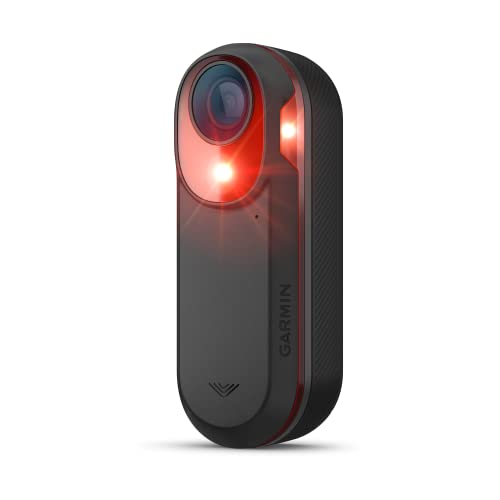
- 140m rear vehicle detection
- 1080p incident-recording camera
- Radar, tail light, and app control
Best For: Cyclists wanting radar alerts with automatic rear video capture
Long-Range Cycling Value

- 190m detection with 220° coverage
- Up to 17-hour battery life
- 73-lumen tail light with ANT+/Bluetooth
Best For: Commuters and endurance cyclists wanting long runtime and wide coverage
Most Advanced Tracking
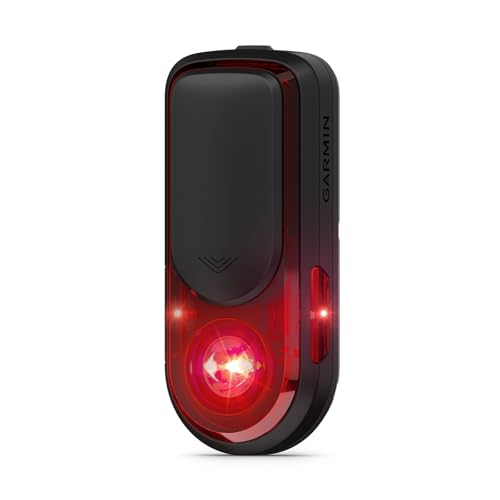
- Vehicle tracking with threat-level details
- Tail light visible up to 2 km
- Up to 30 hours in radar-only mode
Best For: Cyclists wanting detailed alerts and long battery life
Best Rear-View Integration

- 1080P live rear-view video
- Radar detection up to 190 meters
- Continuous recording with 10+ hours of battery
Best For: Riders who want a camera display plus radar alerts
Best Proven Value
Garmin Varia RTL515 Radar Tail Light

- Vehicle detection up to 153 yards
- Works with Garmin and third-party apps
- Up to 16 hours in day-flash mode
Best For: Riders seeking a compact, compatible radar tail light
Best Long-Battery Option – COOSPO TR70 Radar Tail Light
The COOSPO TR70 is a practical choice among portable cycling radar systems for riders who want vehicle detection and a rear light in one compact setup. It detects approaching vehicles up to 140 meters away, supports phone or compatible cycling-computer alerts, and offers up to 40 hours of battery life.
Best For: Road, mountain, and commuter cyclists who prioritize long runtime, adaptive lighting, and flexible alert-device compatibility.
Pros:
- Combines radar detection with a 70-lumen tail light and seven lighting modes.
- Offers up to 40 hours of use and convenient USB-C charging.
- Works with compatible Garmin and COOSPO computers, the COOSPORIDE app, or a phone through the Cadence app.
- IPX7 waterproof construction and a quick-release mount fit most seatpost shapes.
Cons:
- Phone-based radar alerts require a compatible smartphone and Cadence subscription.
- The product must be charged for activation, and fast charging should be avoided.
The TR70 stands out for combining a radar, tail light, broad visibility, and unusually long claimed battery life. It is especially appealing if you want one rear-mounted device rather than separate safety accessories.
Best High-Visibility Single Light – Lezyne Radar Drive
The Lezyne Radar Drive is a strong pick among portable cycling radar systems for riders who want powerful rear illumination without buying a front light. Its radar detects vehicles up to 150 meters away, while the 300-lumen output and 270-degree visibility improve daytime and nighttime presence.
Best For: Cyclists who want a bright standalone radar tail light with multiple alert and connection options.
Pros:
- Detects rear-approaching vehicles up to 150 meters away.
- Provides up to 300 lumens, seven lighting modes, and 270-degree visibility.
- Can pair with the React Drive front light, compatible GPS computers, or the Radar Ally app.
- IPX7 waterproof construction, USB-C charging, and included mounting adapters support varied setups.
Cons:
- Its claimed runtime is up to 20 hours, shorter than some competing options.
- Some alert features depend on a compatible computer, smartphone app, or React Drive front light.
The Radar Drive balances strong lighting performance with radar functionality in a single rear unit. Choose it if visibility and flexible device pairing matter more to you than maximum battery endurance.
Best Compact Radar Unit – Garmin Varia RVR315
The Garmin Varia RVR315 is a compact radar-only choice among portable cycling radar systems. It detects vehicles approaching from behind up to 140 meters away and sends visual, audible, and vibration alerts through compatible smartphones, Garmin devices, or supported cycling apps.
Best For: Riders who already use a compatible phone, Garmin computer, wearable, or radar display and want a small dedicated rearview sensor.
Pros:
- Provides rear vehicle awareness up to 140 meters away.
- Works with compatible Edge computers, smartphones, select Garmin wearables, and third-party apps such as Ride with GPS.
- Compact vertical design mounts easily to most road bicycles.
- Includes the battery, mounting hardware, power cable, and documentation.
Cons:
- It is a radar unit rather than a radar-integrated tail light.
- Battery life is limited to up to eight hours.
- Alerts and display features depend on compatible connected devices or apps.
The RVR315 makes sense for cyclists who want Garmin’s established radar ecosystem without adding another rear light. Its small size is convenient, but riders needing illumination will need a separate tail light.
Best Complete Front-and-Rear System – Lezyne Radar React System
The Lezyne Radar React System is a complete option among portable cycling radar systems, pairing a radar tail light with a high-output front light. The rear unit tracks vehicles up to 150 meters away, while the React Drive front light can provide visual and audible alerts without requiring a smartphone or cycling computer.
Best For: Riders who want coordinated front-and-rear lighting, built-in alert feedback, and strong nighttime illumination in one package.
Pros:
- Includes both a 1,200-lumen front light and a 300-lumen radar rear light.
- Rear radar detects approaching traffic up to 150 meters away.
- The React Drive can provide visual and audible alerts without a phone or other device.
- Both lights feature IPX7 waterproof construction and USB-C charging.
Cons:
- The complete system is likely more equipment than riders seeking only rear radar need.
- Front and rear units have different claimed runtimes: up to 70 hours and 20 hours, respectively.
- Some customization and management features require the Radar Ally app or compatible GPS computer.
This system is the most comprehensive choice in the group for riders who need both visibility and radar feedback. Its independent front-light alerts are particularly useful for cyclists who prefer not to rely on a phone or bike computer.
Motorcycle Blind-Spot Specialist – CHIGEE SR-1 77GHz Radar
For riders comparing portable cycling radar systems and motorcycle safety devices, the CHIGEE SR-1 focuses on long-range rear and adjacent-lane awareness. Its 77GHz radar reaches up to 70 meters and provides four alert modes, while dual LED indicators allow standalone use without a separate display.
Best For: Motorcyclists who want standalone blind-spot, lane-change, overtaking, and rear-collision alerts.
Pros:
- 77GHz radar monitors vehicles from behind and in adjacent lanes up to 70 meters.
- Supports BSD, LCA, AOA, and RCW alert modes for varied riding situations.
- IP68/IP69K protection and an integrated rear warning strobe suit demanding road conditions.
- Can work independently or integrate with compatible CHIGEE AIO displays.
Cons:
- Uses a corded electric power source rather than a listed rechargeable battery.
- Its compatibility notes focus on CHIGEE AIO displays, so display integration is more limited outside that ecosystem.
The SR-1 is a specialized motorcycle radar rather than a bicycle tail-light radar. Choose it when robust weather protection, motorcycle-oriented alerts, and optional CHIGEE display integration matter most.
Radar Camera Combination – Garmin Varia RCT715
The Garmin Varia RCT715 combines rearview radar, a tail light, and an incident-recording camera in one seat-post-mounted unit. Among portable cycling radar systems, it stands out for riders who want approaching-vehicle alerts plus 1080p video that can be managed through the Varia app.
Best For: Road cyclists who want radar awareness, rear video recording, and automatic incident capture.
Pros:
- Detects approaching vehicles from up to 140 meters away.
- Records 1080p video at 30 fps, with a 720p option to extend battery life.
- Automatically saves footage before, during, and after detected incidents.
- Works with compatible Edge computers, Garmin wearables, or a paired smartphone.
Cons:
- Battery life is listed at up to six hours depending on light mode, with shorter runtimes in some settings.
- Camera use may be regulated or prohibited in some jurisdictions.
- Its listed 16 GB storage capacity limits onboard recording space.
The RCT715 is a strong choice when documentation is as important as rider awareness. Its camera adds useful incident coverage, but riders should check local privacy and recording rules before using it.
Long-Range Cycling Value – Bryton GARDIA R300L Radar
The Bryton GARDIA R300L pairs long-range rear-vehicle detection with a 73-lumen tail light and broad 220-degree coverage. For shoppers seeking portable cycling radar systems, it offers app and bike-computer connectivity, tool-free seat-post mounting, and up to 17 hours of listed runtime.
Best For: Commuters and endurance riders who prioritize long battery life, wide coverage, and flexible mounting.
Pros:
- Detects vehicles up to 190 meters away with a 220-degree viewing angle.
- Offers up to 17 hours of continuous use and six customizable light modes.
- 73-lumen tail light is designed for daytime visibility up to one mile.
- Supports ANT+ and Bluetooth connections plus smartphone haptic and audio alerts.
Cons:
- Its IPX7 rating is lower than the CHIGEE SR-1’s listed IP68/IP69K protection.
- Radar display and audio or haptic alerts require a compatible bike computer or smartphone connection.
The R300L is a practical all-day option for cyclists who want strong detection range without frequent charging. Its broad seat-post compatibility and integrated light make it especially adaptable for commuting and longer rides.
Most Advanced Tracking – Garmin Varia RearVue 820
For riders comparing portable cycling radar systems, the Garmin Varia RearVue 820 combines rear-approach detection with a bright tail light and detailed alerts through compatible Garmin devices or the Varia smartphone app. Its long battery life and IPX7 rating make it a strong option for regular road riding.
Best For: Cyclists who want advanced vehicle tracking, detailed threat information, and extended battery life.
Pros:
- Tracks approaching vehicles and displays movement and threat level with compatible devices.
- Tail light visibility reaches up to 2 km, with a dedicated brake-light flash pattern.
- Offers up to 24 hours in day-flash mode or 30 hours in radar-only mode.
- Supports multiple light patterns, including peloton mode and custom patterns through the app.
Cons:
- Detailed visual and audible alerts require a compatible Edge computer, Garmin smartwatch, or smartphone app.
- The seat rail mount kit is sold separately.
The RearVue 820 is the feature-rich choice in this group, especially for riders already using Garmin equipment. It adds strong visibility, braking signals, and flexible connectivity in a compact seatpost-mounted design.
Best Rear-View Integration – VeloScope Bike Radar Camera
Among portable cycling radar systems, the VeloScope stands out by pairing radar detection with a wired 1080P rear camera and a 4.3-inch handlebar display. It is designed to show live traffic behind you while providing visual and audible alerts when vehicles approach.
Best For: Commuters and road cyclists who prefer a live rear-view display alongside radar alerts.
Pros:
- Provides low-latency 1080P video on the included 4.3-inch display.
- Radar detects approaching vehicles from up to 190 meters, according to the supplied specifications.
- Activates the smart tail light when an approaching vehicle is detected.
- Includes continuous ride recording and more than 10 hours of battery life.
Cons:
- The rear camera requires a wired connection to the display.
- Its 0.7 kg listed weight is substantially heavier than the Garmin radar lights in this roundup.
- IP56 weather resistance is lower than an IPX7 rating for water protection.
The VeloScope is the most camera-focused option here. Choose it if seeing a live image of rear traffic is more important to you than having the lightest possible radar setup.
Best Proven Value – Garmin Varia RTL515 Radar Tail Light
The Garmin Varia RTL515 is a compact choice for riders shopping portable cycling radar systems. It detects vehicles approaching from up to 153 yards and sends visual, audible, tone, or vibration alerts through compatible Garmin devices and smartphones, while also serving as a daylight-visible tail light.
Best For: Road cyclists who want a compact radar tail light with broad Garmin and smartphone compatibility.
Pros:
- Detects approaching vehicles from up to 153 yards away.
- Works with compatible Edge computers, smartphones, select Garmin wearables, and third-party apps such as Ride with GPS.
- Daylight visibility reaches up to 1 mile.
- Provides up to 16 hours of battery life in day-flash mode and includes peloton mode.
Cons:
- Battery life drops to up to 6 hours in solid mode.
- It offers less detailed vehicle tracking information than the newer RearVue 820.
- Alerts depend on a compatible connected device or display.
The RTL515 remains a practical, lightweight radar-and-light combination for riders who value compatibility and straightforward vehicle alerts. Its shorter maximum battery life makes it better suited to typical rides than extended outings without charging.
How We Picked These Portable Cycling Radar Systems
We focused on products that combine rear-approach detection with practical cycling safety features, including tail lights, audible or visual alerts, camera recording, and handlebar or display compatibility. We also considered published detection range, battery claims, waterproofing, charging convenience, mounting flexibility, and whether each system works independently or depends on a compatible bike computer, phone, or dedicated monitor.
Because radar performance can vary with road layout, weather, traffic, and mounting position, published range should be treated as a comparison point rather than a guarantee. A radar system is a rider aid, not a substitute for shoulder checks, mirrors, or safe lane positioning.
Quick Comparison
- Best for a simple radar light: Choose a compact rear light with built-in radar and straightforward alerts, such as the COOSPO, Bryton, or Garmin RTL515-style designs.
- Best for a standalone radar: The Garmin RVR315 is suited to riders who already use a compatible cycling computer or phone and do not need an integrated tail light.
- Best for recording incidents: Camera-equipped options such as the Garmin RCT715 and VeloScope add video evidence and rear visibility, but typically require more storage, charging, and setup.
- Best for advanced vehicle awareness: The CHIGEE SR-1 is aimed at motorcycle-style blind-spot and lane-change alerts rather than a conventional bicycle radar-light setup.
Key Buying Factors for Portable Cycling Radar Systems
Detection Range and Alert Quality
Look for clear alerts that distinguish an approaching vehicle from general traffic noise. Visual alerts are useful when riding with headphones off, while audible or vibration alerts can be easier to notice in bright conditions or on rough roads.
Device Compatibility
Check whether the radar pairs with Garmin, Bryton, Wahoo, a smartphone app, or a dedicated display. A standalone unit may be smaller, but an integrated light can reduce the number of devices you need to mount and charge.
Battery Life and Charging
Compare radar runtime separately from maximum light runtime, since flashing and high-output modes can shorten battery life. USB-C charging, a visible battery indicator, and enough capacity for your longest typical ride are valuable day-to-day advantages.
Visibility, Weather Resistance, and Mounting
A radar light should remain visible from a useful distance and stay securely aimed straight behind you. For regular all-weather riding, prioritize strong water resistance, a reliable seatpost mount, and controls that are easy to use with gloves.
Camera and Recording Features
Camera models can provide rear video, incident evidence, or a live view, but they add storage needs, privacy considerations, and charging demands. Confirm video resolution, loop recording, memory-card support, and whether footage requires a separate screen or app.
Who Should Buy Which Portable Cycling Radar Systems?
Commuters and recreational riders who want dependable vehicle warnings with minimal setup should choose an integrated radar tail light. Riders already using a compatible cycling computer may prefer a compact standalone radar to avoid replacing their existing light. Long-distance cyclists should prioritize battery endurance, weather protection, and easy recharging. Riders concerned about collisions, theft, or documenting close passes may find a camera-equipped system worthwhile. Motorcyclists or cyclists seeking broader blind-spot and lane-change monitoring should verify that a specialized radar system matches their vehicle, mounting position, and alert requirements.
